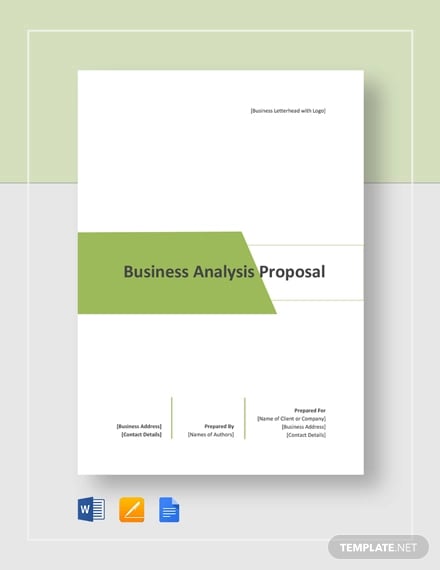
A well-crafted proposal is often the first step in securing a business analysis engagement. It's your opportunity to demonstrate your understanding of the client's needs, outline your approach, and convince them that you're the right partner for the job. That's where a robust Business Analysis Proposal Template comes into play. It provides a structured framework to articulate your value proposition and increase your chances of winning the project. Without a clear and compelling proposal, even the most skilled business analyst can struggle to land new opportunities. This article will guide you through creating a winning proposal, covering essential components and offering practical tips.
In today's competitive landscape, clients aren't just looking for technical expertise; they want a partner who understands their business challenges and can deliver tangible results. A proposal isn't simply a document outlining tasks and costs; it's a sales pitch, a demonstration of your analytical skills, and a commitment to client success. A poorly constructed proposal can convey a lack of attention to detail or a misunderstanding of the client's requirements, immediately disqualifying you from consideration.
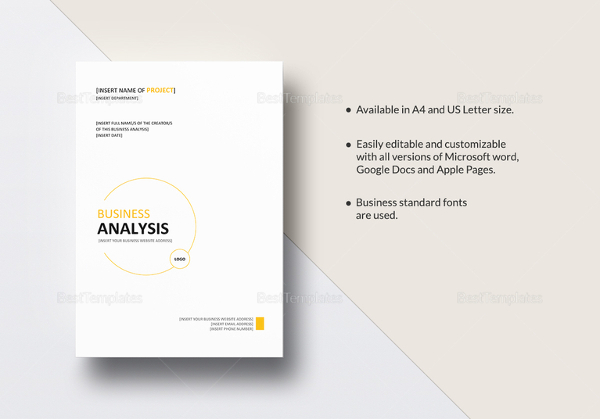
The key to a successful proposal lies in tailoring it to each specific opportunity. While a template provides a solid foundation, it should be customized to address the unique needs and pain points of the client. Generic, one-size-fits-all proposals rarely resonate and often end up in the rejection pile. Investing the time to understand the client's context and crafting a personalized proposal will significantly increase your win rate.
Finally, remember that a proposal is a reflection of your professionalism and expertise. It should be well-written, visually appealing, and free of errors. A polished proposal demonstrates your commitment to quality and instills confidence in your ability to deliver exceptional results.
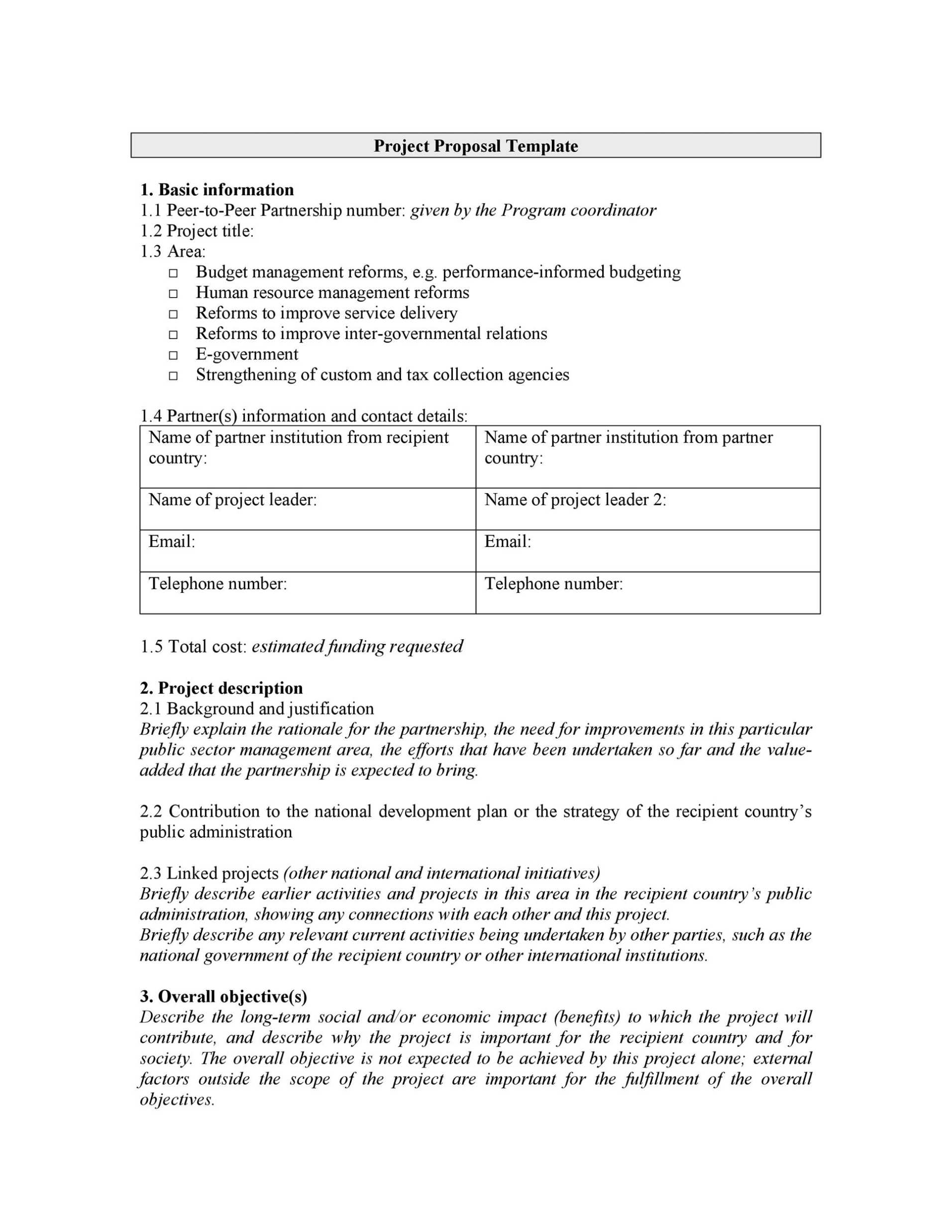
Understanding the Core Components of a Business Analysis Proposal
Before diving into the specifics of a Business Analysis Proposal Template, it's crucial to understand the fundamental components that make up a winning proposal. These elements work together to present a compelling case for your services and demonstrate your value to the client.
Executive Summary
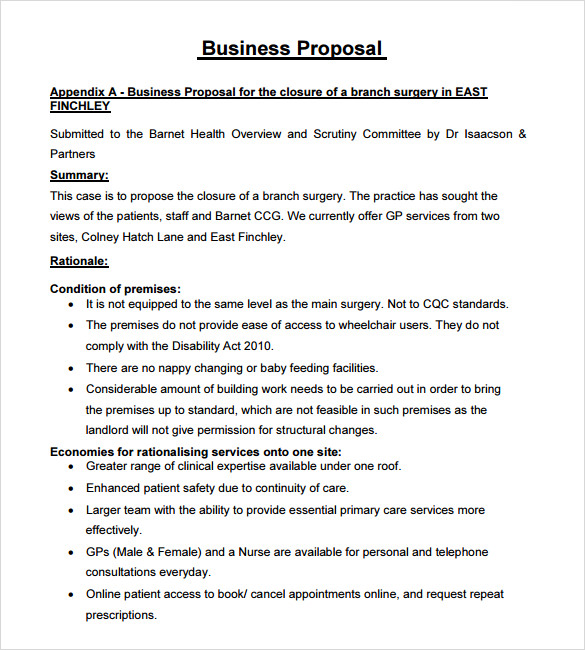
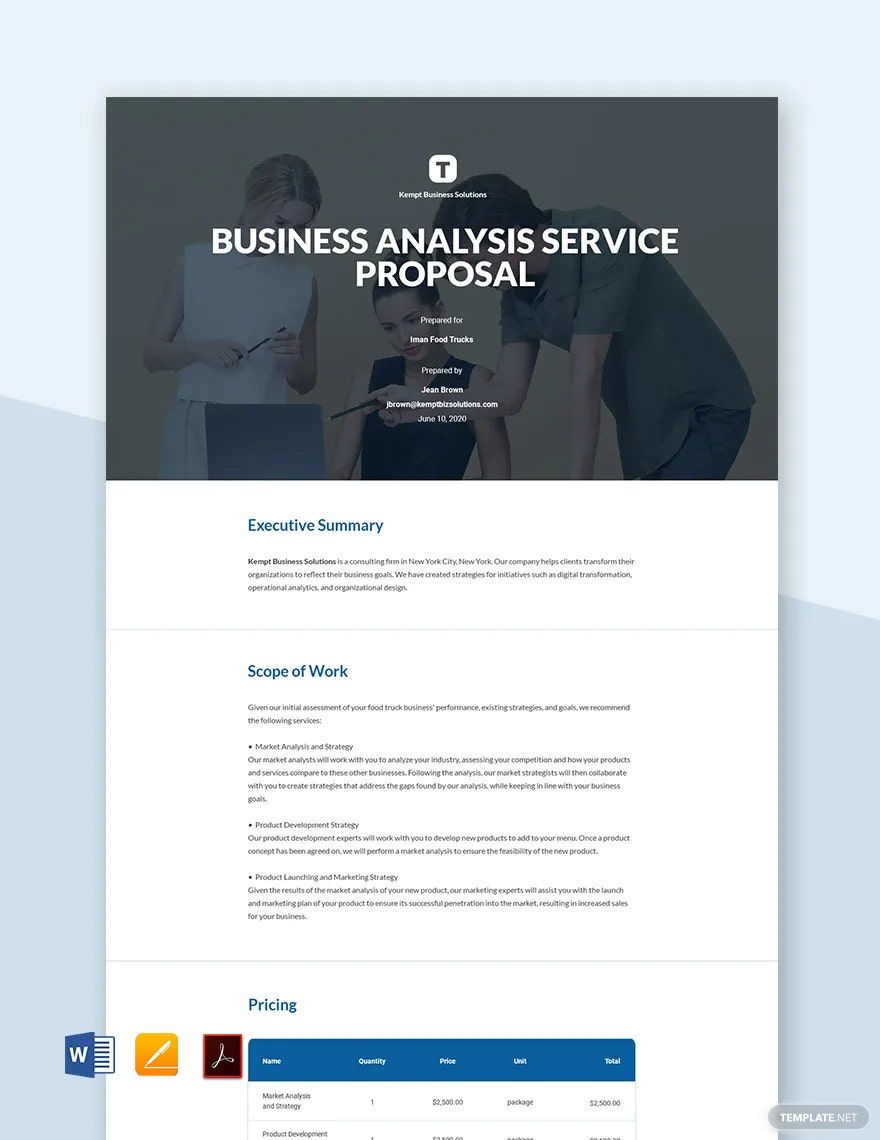
This is arguably the most important section of your proposal. It provides a concise overview of the entire document, highlighting the client's challenges, your proposed solution, and the expected benefits. It should be written last, after you've completed the rest of the proposal, ensuring it accurately reflects the content. Keep it brief – typically no more than one page.
Problem Statement
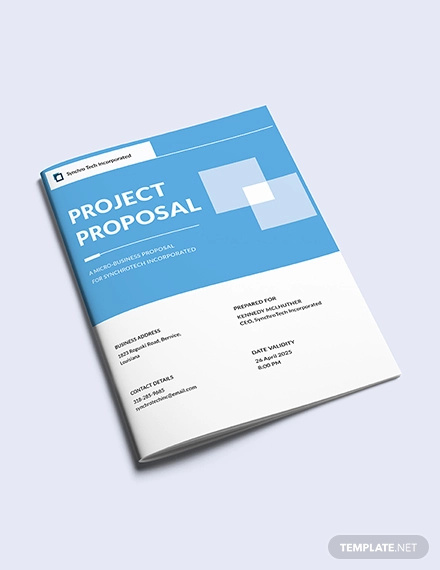
Clearly articulate the client's problem or opportunity. Demonstrate that you understand their pain points and the impact they're having on their business. This section should be based on your initial conversations and research. Avoid technical jargon and focus on the business implications.
Proposed Solution
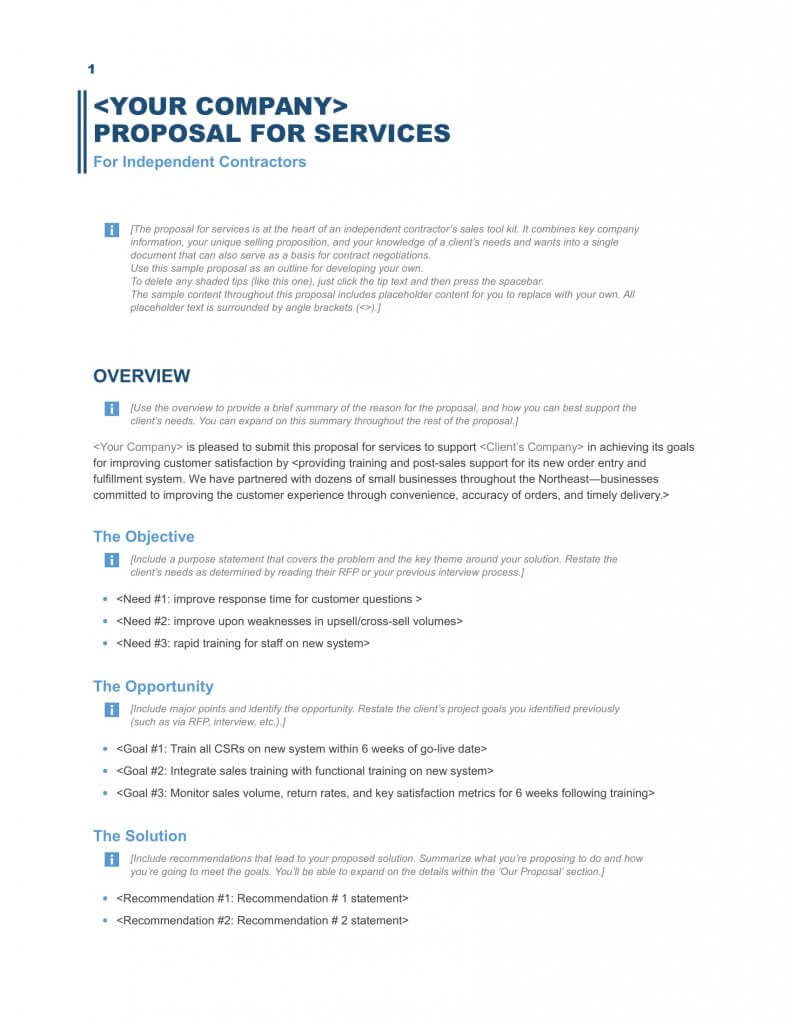
This section details your approach to addressing the client's problem. Outline the specific business analysis activities you'll undertake, such as requirements elicitation, process modeling, and data analysis. Explain how your approach will deliver the desired outcomes.
Deliverables
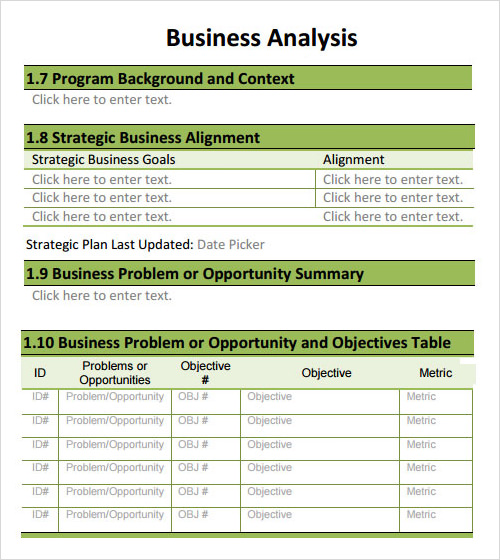
Specify the tangible outputs you'll provide, such as requirements documents, process flow diagrams, use cases, and user stories. Be clear and specific about what the client will receive.
Project Timeline
Present a realistic timeline for completing the project, outlining key milestones and deliverables. Use a visual representation, such as a Gantt chart, to make it easy to understand.
Pricing and Payment Terms
Clearly outline your fees and payment schedule. Be transparent about your pricing model (e.g., hourly rate, fixed fee) and any potential expenses.

About Us/Team
Introduce your company or yourself and highlight your relevant experience and expertise. Showcase your team's skills and qualifications.
Building Your Business Analysis Proposal Template
Now that you understand the core components, let's focus on building a practical Business Analysis Proposal Template. This template will serve as a starting point for all your proposals, saving you time and ensuring consistency.
Template Structure
Your template should include sections for each of the core components outlined above. Consider using a word processing program or a dedicated proposal management tool to create a visually appealing and professional-looking template.
Customizable Sections
Identify sections that will require significant customization for each proposal, such as the Executive Summary, Problem Statement, and Proposed Solution. These sections should be easily editable without disrupting the overall structure of the template.
Standard Boilerplate
Include standard boilerplate text for sections that remain relatively consistent across proposals, such as the About Us/Team section and the Pricing and Payment Terms section. This will save you time and ensure consistency in your messaging.
Visual Elements
Incorporate visual elements, such as your company logo, branding colors, and relevant images, to enhance the visual appeal of your proposal.
Tailoring Your Proposal to the Client's Needs
A generic proposal, even with a well-designed template, is unlikely to win you business. The key to success lies in tailoring your proposal to the specific needs of each client.
Research is Key
Before you start writing, thoroughly research the client's business, industry, and challenges. Understand their goals, objectives, and competitive landscape.
Address Specific Pain Points
Focus on addressing the client's specific pain points, as identified during your initial conversations and research. Demonstrate that you understand their challenges and have a solution that will deliver tangible results.
Use Client Language
Use the same language and terminology as the client. This demonstrates that you're speaking their language and understand their business.
Highlight Relevant Experience
Showcase your relevant experience and expertise, focusing on projects that are similar to the client's challenges. Provide specific examples of how you've helped other clients achieve success.
Best Practices for Writing a Compelling Proposal
Beyond the structure and content, there are several best practices to follow when writing a compelling business analysis proposal.
Clarity and Conciseness
Write in clear, concise language, avoiding technical jargon and unnecessary complexity. Make it easy for the client to understand your proposed solution.
Focus on Benefits, Not Features
Highlight the benefits of your services, rather than simply listing the features. Explain how your solution will help the client achieve their goals and improve their business.
Proofread Carefully
Thoroughly proofread your proposal for errors in grammar, spelling, and punctuation. A polished proposal demonstrates your attention to detail and professionalism.
Call to Action
Include a clear call to action, inviting the client to take the next step, such as scheduling a follow-up meeting or signing the contract.
Utilizing Tools and Technologies for Proposal Creation
Several tools and technologies can streamline the proposal creation process and enhance the quality of your proposals.
Proposal Management Software
Tools like Proposify, PandaDoc, and Qwilr offer pre-built templates, automated workflows, and electronic signature capabilities.
CRM Integration
Integrating your proposal management software with your CRM system can streamline the sales process and improve collaboration.
Design Tools
Tools like Canva can help you create visually appealing graphics and presentations to enhance the visual appeal of your proposal.
Reviewing and Refining Your Business Analysis Proposal Template
Your Business Analysis Proposal Template isn't a static document. It should be regularly reviewed and refined based on feedback and lessons learned.
Seek Feedback
Ask colleagues or mentors to review your template and provide feedback.
Analyze Win/Loss Rates
Track your win/loss rates and analyze the reasons for both successes and failures. Use this information to identify areas for improvement in your template.
Stay Up-to-Date
Keep your template up-to-date with the latest industry best practices and trends.
Conclusion
Creating a winning Business Analysis Proposal Template is an investment that will pay dividends in the long run. By understanding the core components, tailoring your proposals to the client's needs, and following best practices, you can significantly increase your chances of securing new business. Remember that a proposal is more than just a document; it's a sales pitch, a demonstration of your expertise, and a commitment to client success. Continuously review and refine your template to ensure it remains effective and reflects your evolving skills and experience. A well-crafted proposal is your gateway to impactful projects and lasting client relationships.
0 Response to "Business Analysis Proposal Template"
Posting Komentar