
The concept of checks and balances is fundamental to a healthy democracy, ensuring that power is distributed and that no single entity can become too dominant. It's a cornerstone of governmental systems worldwide, designed to prevent tyranny and protect individual liberties. Understanding how checks and balances work – and how to utilize them effectively – is crucial for informed citizenship and a robust society. This article will delve into the intricacies of checks and balances, exploring its historical roots, different types of checks, and practical applications, with a particular focus on the frequently-asked-questions (FAQ) aspect of the worksheet. Let's explore how these mechanisms safeguard our freedoms and promote accountability.
The origins of the checks and balances system can be traced back to ancient Greece, particularly to the Athenian democracy. The concept of checks and balances was initially employed to prevent the concentration of power in the hands of a single ruler. However, the modern form of checks and balances, as we understand it today, emerged during the Constitutional era in the United States. The framers of the Constitution were acutely aware of the potential for abuse of power and sought to establish a system where each branch of government could limit the actions of the others. This was a deliberate attempt to create a system of separation of powers, a principle that continues to shape political systems globally. The very existence of the Bill of Rights in the United States is a direct result of the need to safeguard individual liberties through checks and balances. Without this framework, the potential for governmental overreach would be immense, leading to oppression and the erosion of freedoms. The ongoing debate about the appropriate balance between these checks and balances is a testament to their enduring relevance.
1. The Core Principles of Checks and Balances
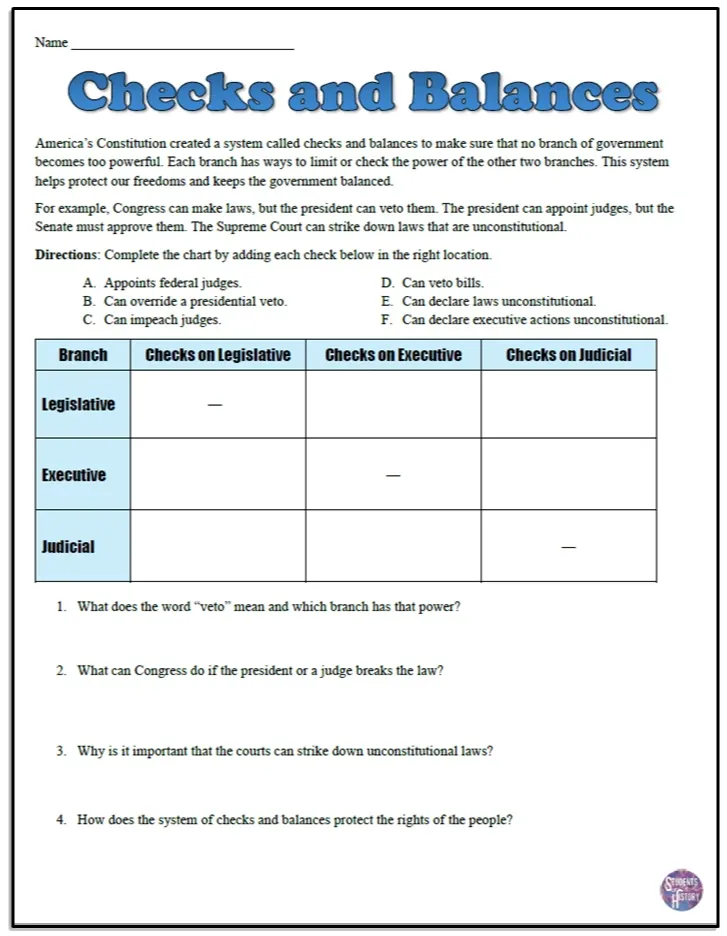
At its heart, checks and balances is a system of reciprocal limitations placed on the power of government branches. Each branch – the legislative, executive, and judicial – has specific powers and responsibilities, and these powers are designed to be checked and balanced by the other branches. This prevents any single branch from becoming too powerful and ensures that the government remains accountable to the people. It's not about creating a rigid, inflexible system; rather, it's about creating a dynamic equilibrium where each branch can influence the others. Understanding the different types of checks is key to grasping the full scope of this system.

1.1 Legislative Checks
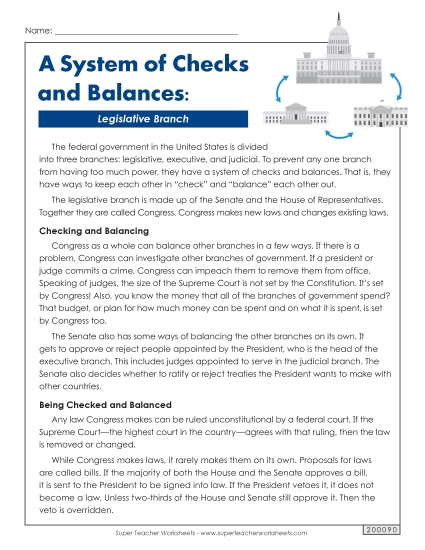
The legislative branch, typically a parliament or congress, is responsible for making laws. Checks on the legislative branch include:
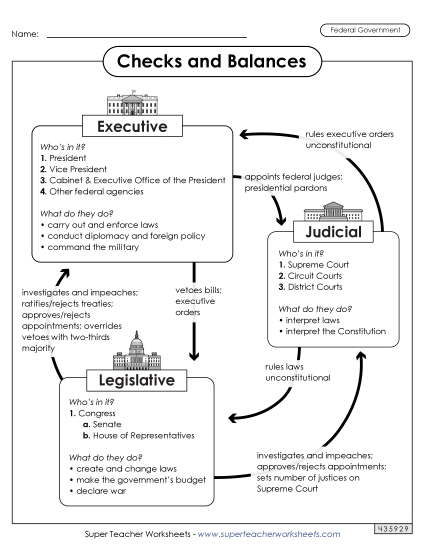
- Budgetary Control: The legislature approves the government's budget, and can influence spending priorities.
- Representation: The legislature determines the composition of the government, influencing the selection of officials.
- Impeachment: The legislature has the power to impeach and remove officials who violate the law or abuse their power.
- Vote of No Confidence: Legislators can trigger a vote of no confidence, forcing the government to resign.
- Legislative Oversight: The legislature can conduct investigations and hold hearings to scrutinize government actions.
The effectiveness of these checks relies on a robust system of public debate and scrutiny. A well-informed legislature is better equipped to hold its executive branch accountable.

1.2 Executive Checks
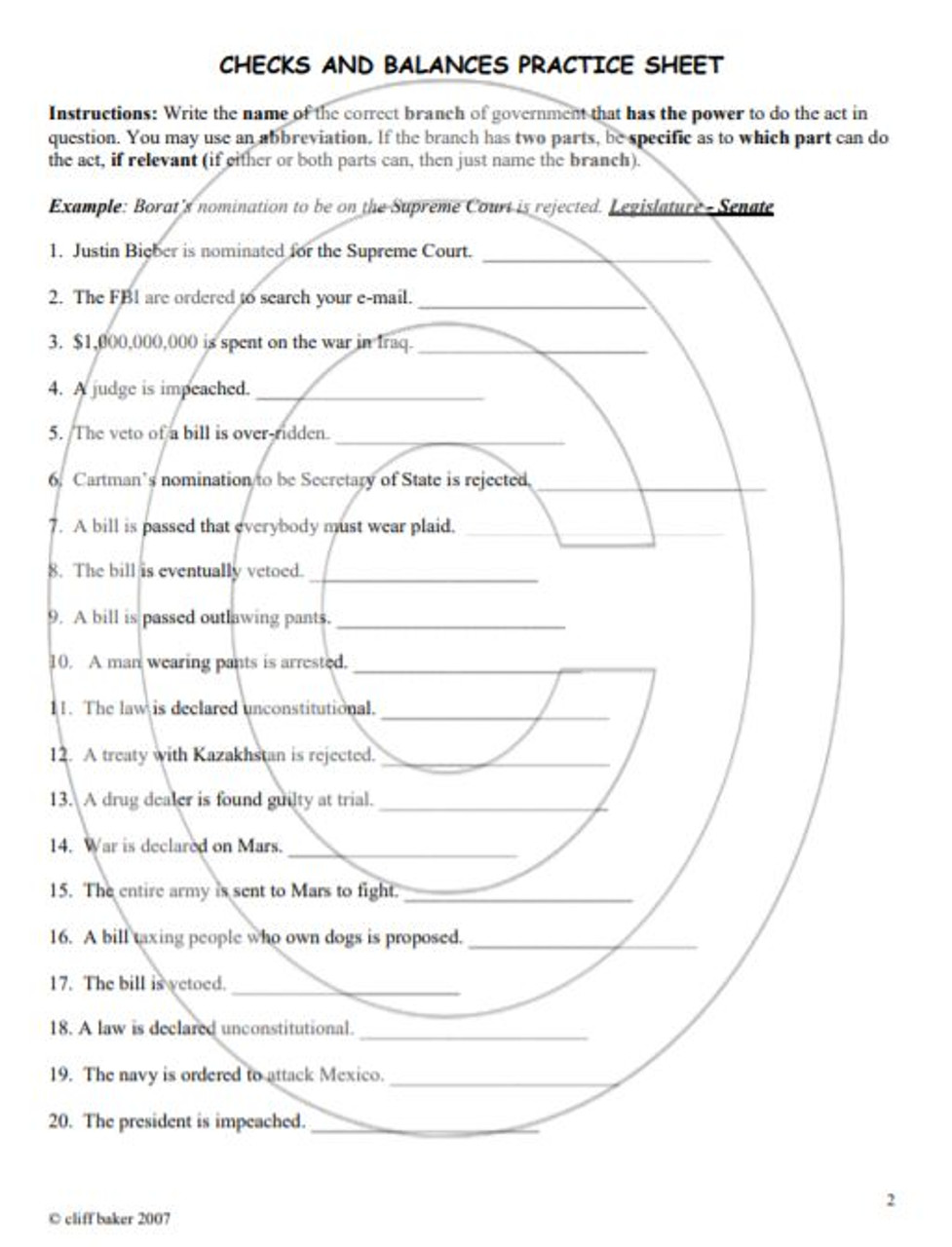
The executive branch, headed by the president or prime minister, is responsible for enforcing laws and administering the government. Checks on the executive branch include:

- Appointment Power: The executive branch appoints officials, and these appointments can be challenged in the courts.
- Veto Power: The executive can veto legislation passed by the legislature, effectively blocking its passage.
- Executive Orders: The executive can issue executive orders, which have the force of law but are subject to legal challenge.
- Budget Control: The executive controls the federal budget, influencing spending and taxation.
- Foreign Policy: The executive is responsible for conducting foreign policy, and can influence international relations.
The effectiveness of executive checks is often hampered by political gridlock and the difficulty of overriding the will of the legislature.

1.3 Judicial Checks
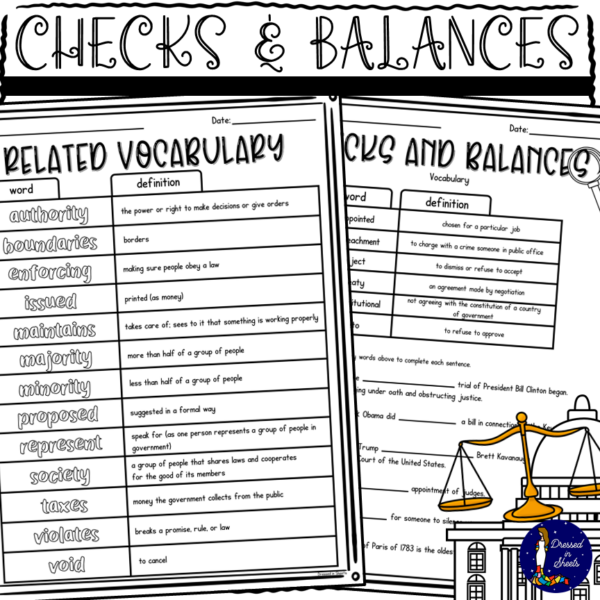
The judicial branch, headed by the courts, interprets laws and ensures they are applied fairly. Checks on the judicial branch include:

- Judicial Review: The courts can review laws passed by the legislature and executive actions to determine if they are constitutional. This is a critical check on the power of the legislative and executive branches.
- Appeals Process: Individuals can appeal court decisions to higher courts, providing a mechanism for redress of grievances.
- Judicial Appointments: The judicial branch appoints judges, and these appointments are subject to confirmation by the legislative branch.
- Interpretation of Laws: Courts interpret laws, and their rulings can shape the meaning and application of laws.
The independence of the judiciary is vital to ensuring that laws are applied impartially and that the rights of citizens are protected.
2. Specific Checks and Balances in Practice
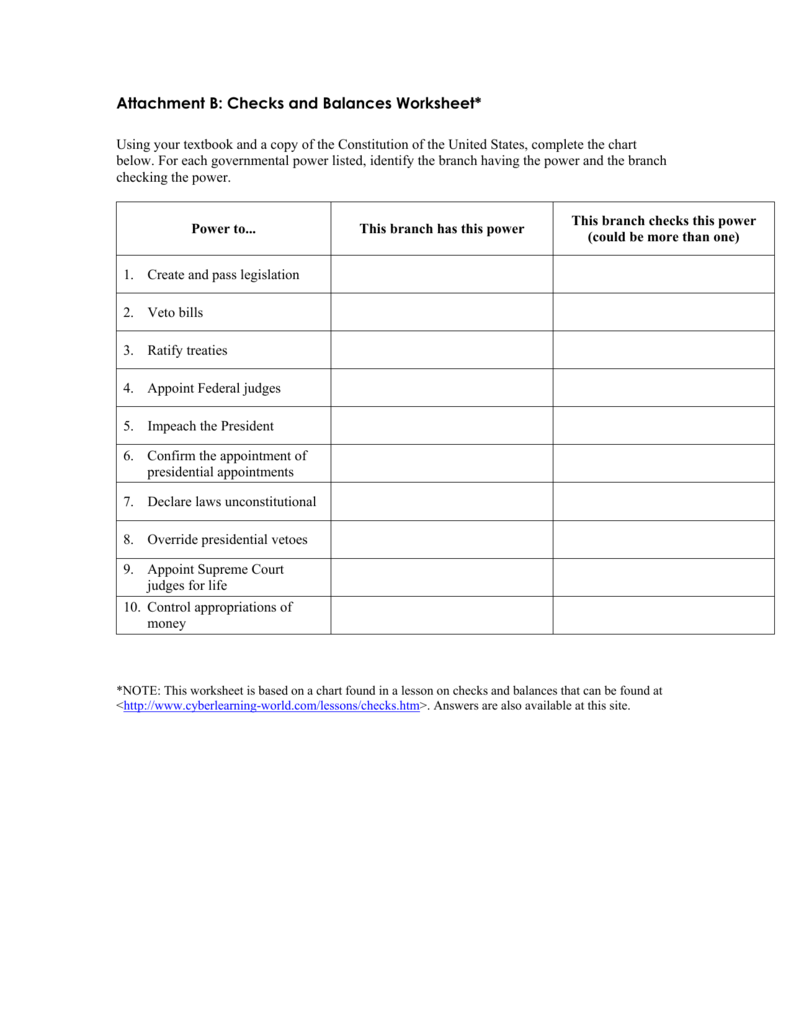
Let's examine some specific examples of how these checks and balances work in practice. Consider the process of passing a new law. The legislative branch drafts the bill, which is then debated and amended by the committee. The executive branch then reviews the bill and, if it is deemed acceptable, signs it into law. Finally, the judicial branch reviews the law to ensure it complies with the Constitution. This multi-step process provides a significant level of oversight.
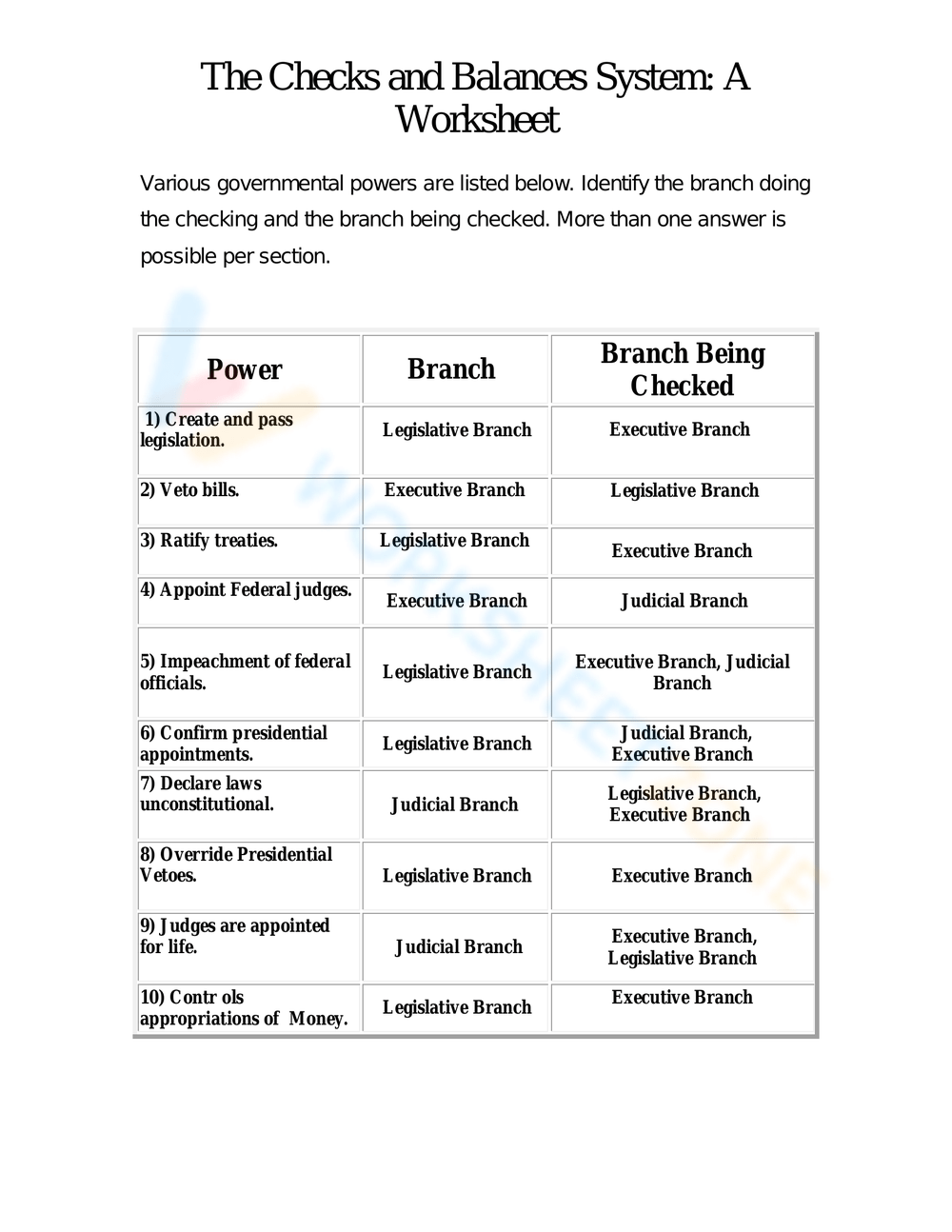
Another example is the impeachment process. If an executive officer is accused of wrongdoing, the legislative branch can initiate impeachment proceedings. If the legislature votes to impeach and remove the official, the executive branch must then attempt to remove them from office. This process is designed to hold those in power accountable for misconduct.

2.1 The Role of Congressional Committees
Congressional committees play a crucial role in the checks and balances system. They investigate issues, hold hearings, and draft legislation. These committees can significantly influence the legislative process, providing valuable information and perspectives. The committee's findings can be used to amend or reject legislation, effectively shaping its final form.

2.2 The Importance of Judicial Review
The Supreme Court's role in judicial review is arguably the most powerful check on the legislative and executive branches. The Court's rulings establish the legal principles that govern the government and protect individual rights. The Court's decisions are binding on all branches of government.

3. Challenges to Checks and Balances
Despite their importance, checks and balances are not without their challenges. Political polarization, lobbying, and the influence of special interests can undermine the effectiveness of these mechanisms. Furthermore, the separation of powers can sometimes lead to gridlock and inaction. The constant struggle to balance competing interests can create a system that is slow and inefficient. The rise of partisan politics has also contributed to a decline in trust in government and a weakening of the checks and balances system. Furthermore, the influence of money in politics can distort the process, favoring those with the resources to exert undue influence.

4. The Future of Checks and Balances
The concept of checks and balances is not static; it continues to evolve in response to changing societal needs and political realities. Modern debates about campaign finance reform, the role of social media, and the increasing influence of technology are all raising questions about the effectiveness of these mechanisms. There is a growing recognition that a truly robust system of checks and balances requires a commitment to transparency, accountability, and public participation. Furthermore, the increasing complexity of government and the rise of data analytics pose new challenges to the ability of citizens to hold their representatives accountable. The ongoing discussion about the appropriate balance between power and individual liberty is essential for preserving a democratic society.

5. Conclusion
Checks and balances are a vital component of a functioning democracy. They are a system designed to prevent tyranny and protect individual liberties. While the system has faced challenges over time, its fundamental principles remain relevant. By understanding the different types of checks, the processes through which they operate, and the ongoing debates surrounding their effectiveness, citizens can become more informed and engaged participants in the democratic process. The ongoing evolution of political landscapes necessitates a continued commitment to safeguarding these crucial mechanisms and ensuring that power remains accountable to the people. Ultimately, a robust system of checks and balances is not merely a procedural safeguard; it is a reflection of a commitment to justice, fairness, and the protection of fundamental rights.

6. Checks and Balances Worksheet Answers
1. Describe the origins of the checks and balances system in the United States.
The checks and balances system originated in ancient Greece, specifically during the Athenian democracy. The initial concept of checks and balances was developed to prevent the concentration of power in the hands of a single ruler. The framers of the United States Constitution deliberately designed a system of separation of powers, where each branch of government has distinct responsibilities and limitations on the actions of the others.
2. What are the key checks on the legislative branch?
The legislative branch has several key checks on itself. First, the budget (appropriation) is controlled by the legislature. Second, the legislature can impeach and remove officials who violate the law. Third, the legislature can trigger a vote of no confidence, forcing the government to resign. Finally, the legislature can initiate legislation and approve or reject bills passed by the executive branch.
3. What are the key checks on the executive branch?
The executive branch has several checks on itself. The executive can veto legislation passed by the legislature. The executive can issue executive orders, which have the force of law but are subject to legal challenge. The executive also appoints officials, and these appointments are subject to confirmation by the legislative branch.
4. What are the key checks on the judicial branch?
The judicial branch has several checks on itself. The courts can review laws passed by the legislature and executive actions to determine if they are constitutional. The judicial branch also appoints judges, and these appointments are subject to confirmation by the legislative branch.

5. Give an example of how the legislative branch can influence the executive branch.
The legislative branch can influence the executive branch through the process of budget approval. The legislature approves the government's budget, and this approval can influence spending priorities and the executive's ability to implement its policies.

6. What is the purpose of the impeachment process?
The impeachment process is designed to hold those in power accountable for misconduct. If an executive officer is accused of wrongdoing, the legislative branch can initiate impeachment proceedings. If the legislature votes to impeach and remove the official, the executive branch must then attempt to remove them from office.
7. What is the role of Congressional committees in the checks and balances system?
Congressional committees play a crucial role in the checks and balances system. They investigate issues, hold hearings, and draft legislation. These committees can significantly influence the legislative process, providing valuable information and perspectives.
8. How does the Supreme Court's role in judicial review impact the legislative and executive branches?
The Supreme Court's role in judicial review is the most powerful check on the legislative and executive branches. The Court's rulings establish the legal principles that govern the government and protect individual rights.
9. What are some challenges to the effectiveness of checks and balances?
Political polarization, lobbying, and the influence of special interests can undermine the effectiveness of checks and balances. The constant struggle to balance competing interests can create a system that is slow and inefficient. The rise of partisan politics has also contributed to a decline in trust in government and a weakening of the checks and balances system.
10. How does the concept of "separation of powers" contribute to the system of checks and balances?
The separation of powers, as established by the Constitution, is a fundamental element of the system of checks and balances. It divides governmental authority among three branches – legislative, executive, and judicial – each with distinct responsibilities and limitations on the others.
11. What is the significance of the Bill of Rights in the context of checks and balances?
The Bill of Rights, which guarantees fundamental rights and freedoms to individuals, is a crucial part of the system of checks and balances. It protects individual liberties and limits the power of the government.
12. What is the role of transparency and accountability in maintaining a robust checks and balances system?
Transparency and accountability are essential for maintaining a robust checks and balances system. Open government, public access to information, and mechanisms for holding officials accountable are vital for ensuring that power is exercised responsibly.
13. How can citizens be informed and engaged to promote a stronger checks and balances system?
Citizens can be informed and engaged by participating in the democratic process, demanding accountability from their representatives, and supporting organizations that promote transparency and civic engagement.
0 Response to "Checks And Balances Worksheet Answers"
Posting Komentar