
The modern workplace is increasingly focused on data-driven decision-making. Tracking individual performance and understanding patterns within a team can significantly improve productivity, identify areas for improvement, and ultimately, contribute to organizational success. That's why a robust Daily Behavior Report Template is becoming increasingly vital. This template provides a structured framework for capturing and analyzing individual performance, fostering transparency, and promoting accountability. It's more than just a checklist; it's a tool for understanding why things happen and proactively addressing challenges. Daily Behavior Report Template is designed to be adaptable to various roles and industries, offering a flexible approach to performance management. This article will delve into the benefits of using a Daily Behavior Report Template, explore its key components, and provide practical guidance on how to implement it effectively. We'll cover everything from initial setup to data analysis and action planning. Let's explore how this simple yet powerful tool can transform your team's performance.
Why a Daily Behavior Report Template is Essential
The traditional approach to performance reviews often relies on infrequent, generalized assessments. This can lead to missed opportunities for feedback and a lack of understanding of individual strengths and weaknesses. A Daily Behavior Report Template offers a more frequent, granular, and personalized approach. It shifts the focus from simply evaluating performance at the end of a period to continuously monitoring behavior throughout the day. This proactive monitoring allows for immediate adjustments and fosters a culture of continuous improvement. Without a consistent framework, it's easy to fall into the trap of subjective assessments and missed opportunities for growth. A well-designed template ensures that feedback is delivered consistently and that performance is tracked with a clear understanding of context. The benefits extend beyond simple performance evaluation; it's a powerful tool for team building and fostering a more collaborative environment.

Core Components of a Daily Behavior Report Template
A successful Daily Behavior Report Template isn't a rigid set of rules; it's a flexible framework built around key elements. Here's a breakdown of the essential components:

1. Date and Time
The first section of the template should clearly indicate the date and time the report is being generated. This provides context for the observations and helps track trends over time. It's crucial to record the time of day, as this can significantly influence behavior.
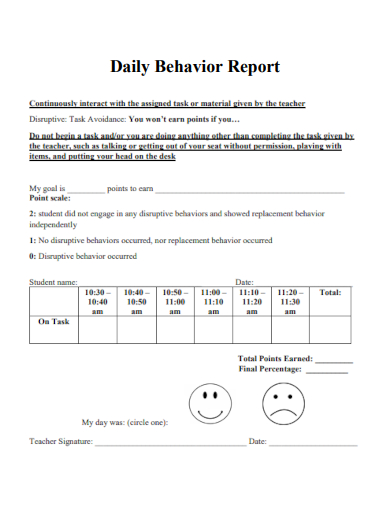
2. Observed Behaviors
This is the heart of the template. It's where you document specific instances of behavior. Be as detailed as possible, but avoid subjective judgments. Instead of saying "He was disruptive," describe what he did that was disruptive and why you believe it was disruptive. For example: "During the morning stand-up meeting, John repeatedly interrupted Sarah when she was presenting her progress. This resulted in her feeling unheard and slowed down the team's workflow." Using the Daily Behavior Report Template allows for a structured approach to identifying patterns.

3. Impact on Team/Project
This section is critical for understanding the consequences of observed behaviors. It's not enough to simply describe the behavior; you need to explain how it affected the team, project, or overall goals. Consider questions like: "Did this behavior impact the team's ability to meet deadlines?" or "Did this action hinder the progress of the project?" Quantifying the impact whenever possible adds significant value.
:max_bytes(150000):strip_icc()/homenote-62b677f7ecc54669b0181ed05b956efa.jpg)
4. Supporting Evidence
This section provides concrete examples to support your observations. It's important to include specific instances, dates, and relevant details. This could include emails, meeting notes, or even brief observations from colleagues. The more evidence you provide, the stronger your assessment will be.
5. Goals and Action Items
This section outlines any goals that were addressed during the day and any action items assigned to the individual. It's a crucial element for accountability and follow-up. Clearly define what needs to be done and who is responsible. This section should be directly linked to the observed behaviors.
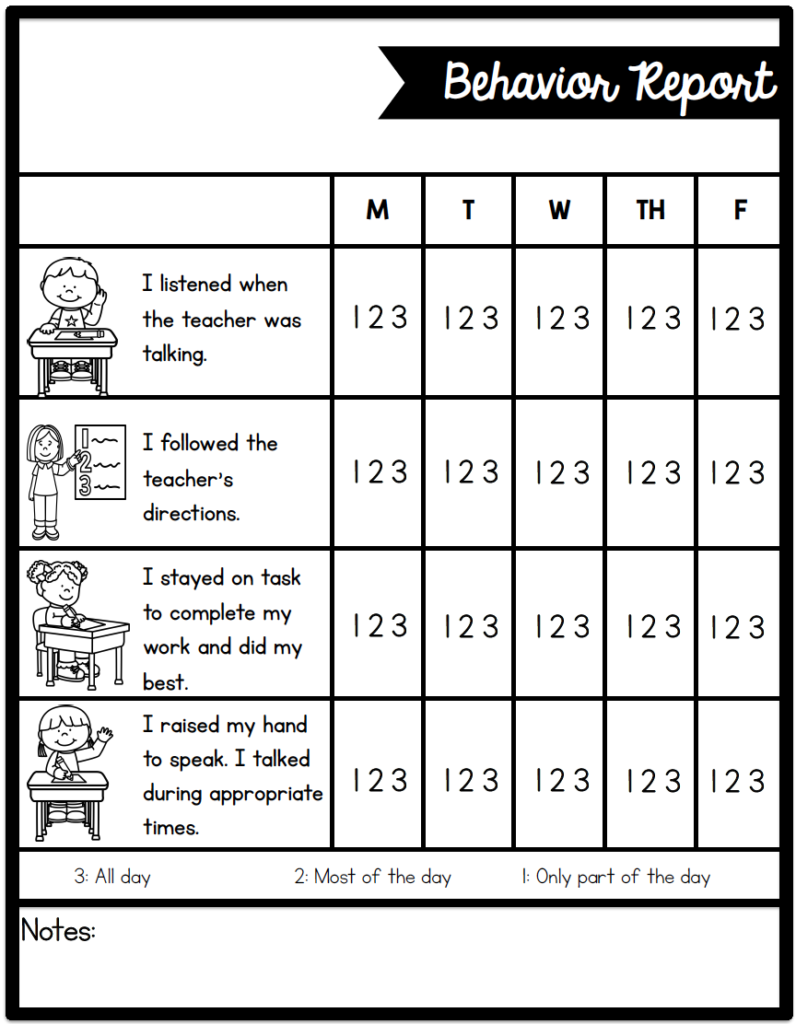
Leveraging the Template for Enhanced Performance
The true power of a Daily Behavior Report Template lies in its ability to drive meaningful action. It's not just about identifying problems; it's about proactively addressing them. Here are some ways to leverage the template effectively:
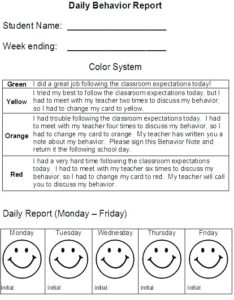
- Regular Review: Schedule a brief review of the template at the end of each day or week. This allows for a quick check-in and identification of any recurring issues.
- Team Discussions: Share the template with your team and encourage open discussion about observations and potential solutions.
- Feedback Loops: Use the template as a starting point for one-on-one conversations. This allows for a more personalized and constructive feedback process.
- Goal Setting: Connect observed behaviors to specific, measurable, achievable, relevant, and time-bound (SMART) goals.
- Action Planning: Develop clear action plans for addressing any identified areas for improvement.
The Importance of Data Analysis
Simply collecting data isn't enough. Analyzing the data generated by the Daily Behavior Report Template is essential for identifying trends and patterns. Tools like spreadsheets or dedicated performance management software can be used to visualize data and identify areas where improvement is needed. Look for correlations between specific behaviors and outcomes. For example, if you consistently see a decline in task completion rates after a particular incident, investigate the underlying cause. This data-driven approach allows for targeted interventions and continuous improvement.

Beyond the Template: Cultivating a Culture of Feedback
A Daily Behavior Report Template is a tool, not a solution in itself. Its effectiveness depends on a supportive organizational culture that values feedback and encourages open communication. Leaders must model this behavior, actively soliciting feedback from their team members and providing constructive guidance. Regular check-ins, one-on-one meetings, and informal conversations are all crucial for fostering a culture of continuous improvement. When employees feel safe and supported, they are more likely to take ownership of their performance and contribute to the overall success of the team.

Conclusion: The Ongoing Value of a Daily Behavior Report Template
The Daily Behavior Report Template is a powerful tool for improving performance management, fostering accountability, and driving continuous improvement. By consistently tracking behavior, providing constructive feedback, and proactively addressing areas for improvement, organizations can unlock the full potential of their workforce. It's a simple yet profound approach that, when implemented thoughtfully, can yield significant benefits. The key is to view it as a dynamic process, not a static document. As your team evolves and your business goals change, adapt and refine your template to ensure it remains relevant and effective. Ultimately, the goal is to create a culture of transparency, accountability, and continuous growth. Investing in a well-designed Daily Behavior Report Template is an investment in your team's future.
0 Response to "Daily Behavior Report Template"
Posting Komentar