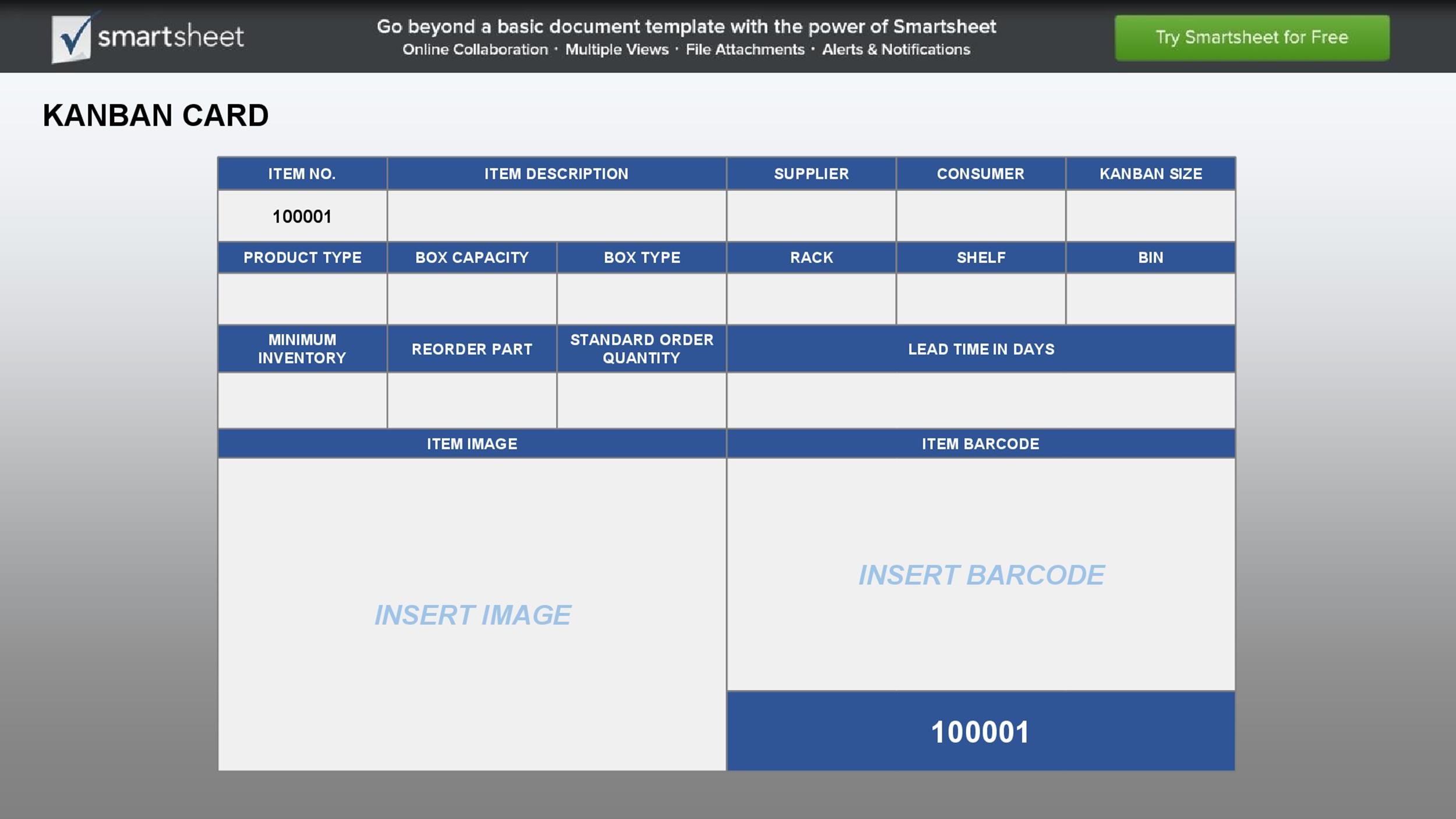
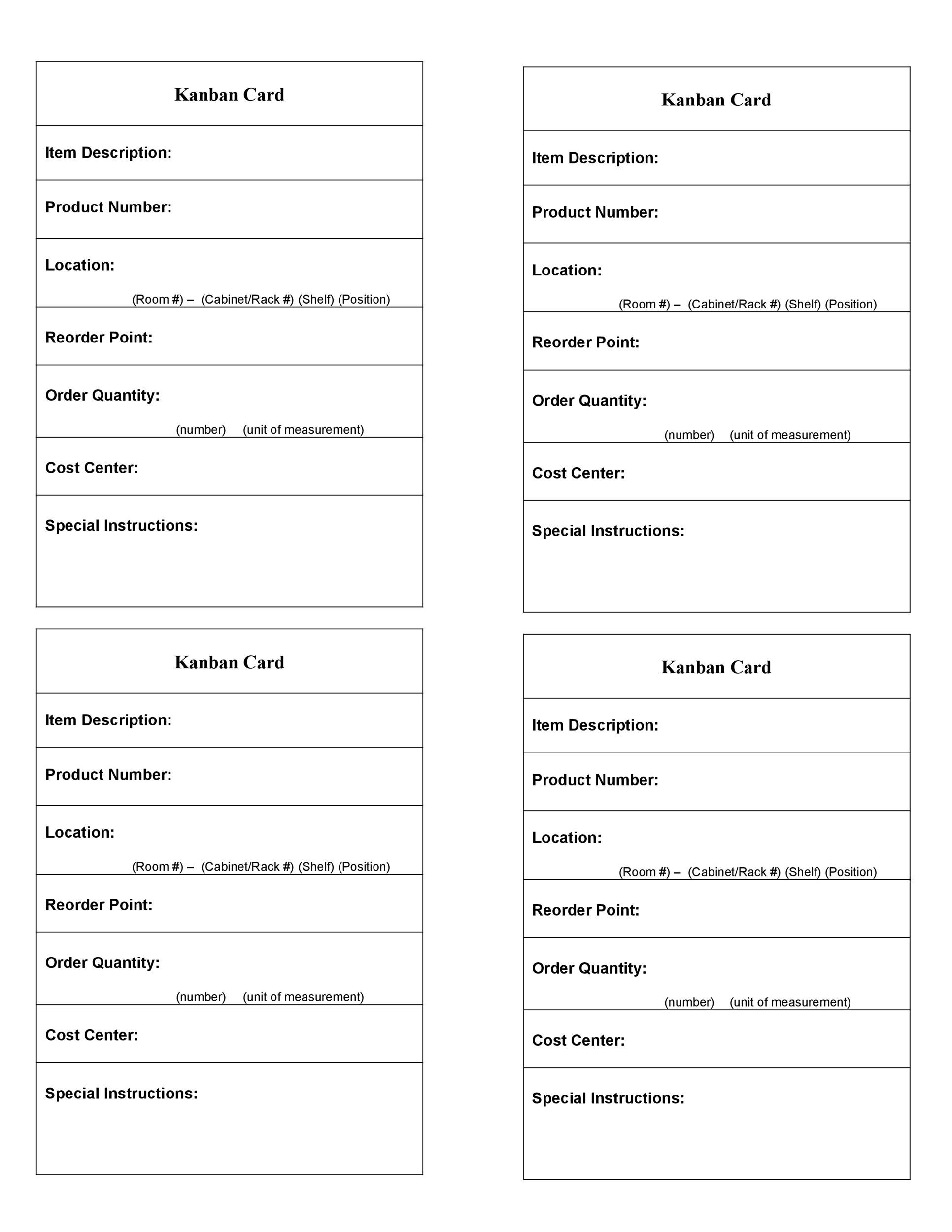
The modern workplace is constantly evolving, and teams are increasingly adopting agile methodologies to improve efficiency and collaboration. At the heart of these transformations lies the Kanban board – a visual tool that helps teams manage workflow, track progress, and identify bottlenecks. A fundamental component of any effective Kanban board is the Kanban Card Template. This article will delve into the intricacies of creating and utilizing a robust Kanban Card Template, providing you with the knowledge to implement it effectively in your projects and workflows. Understanding how to structure and utilize a well-designed template is crucial for maximizing its benefits. Kanban Card Template is more than just a visual aid; it's a strategic tool for process improvement and team alignment. Let's explore what makes a truly effective Kanban Card Template and how to tailor it to your specific needs.
Understanding the Core Principles of Kanban
Before diving into the specifics of the template, it's important to grasp the underlying principles of Kanban. Kanban isn't just about creating a pretty board; it's about visualizing the workflow, limiting work in progress (WIP), and continuously improving the process. The core principles are:
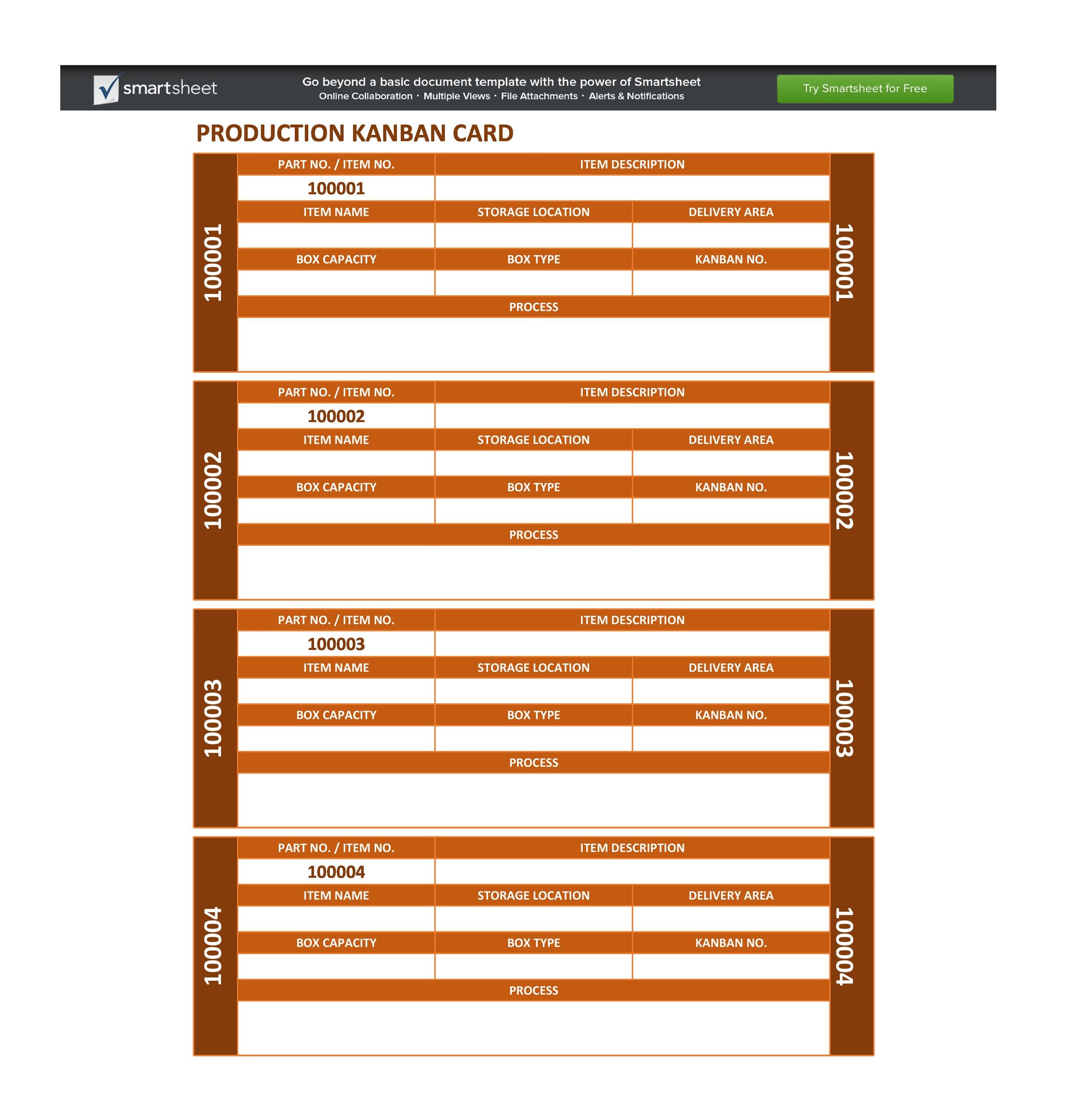
- Visualize the Workflow: A Kanban board provides a clear, visual representation of the entire process.
- Limit Work in Progress (WIP): By restricting the number of tasks in each stage, you reduce context switching and improve focus.
- Manage Flow: The goal is to optimize the flow of work through the system, minimizing delays and bottlenecks.
- Make Process Policies Explicit: Clearly defined rules and guidelines govern how work moves through the system.
- Implement Feedback Loops: Regularly review the board and the workflow to identify areas for improvement.
The Essential Components of a Kanban Card Template
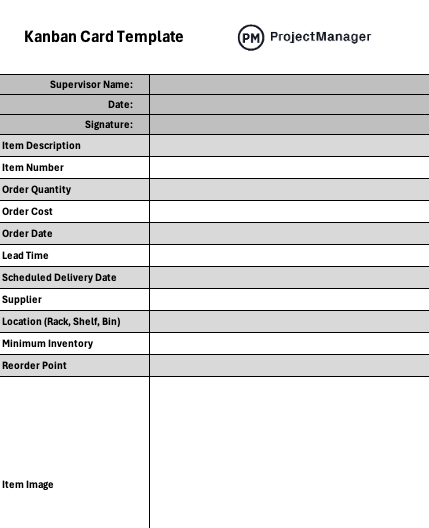
A well-designed Kanban Card Template typically includes the following elements:

- Card Title: A concise and descriptive title that clearly outlines the task.
- Description: A brief explanation of the task's purpose and any relevant context.
- Assignee: The person responsible for completing the task.
- Due Date: The target completion date for the task.
- Status: A visual indicator of the task's current state (e.g., To Do, In Progress, Review, Done).
- Priority: A level of importance assigned to the task (e.g., High, Medium, Low).
- Attachments: Relevant files, documents, or links.
- Notes: Any additional information or context that might be helpful.
Section 1: Defining Your Workflow Stages
The success of any Kanban board hinges on clearly defining the stages of your workflow. These stages represent distinct phases of a task's lifecycle. Common stages include:
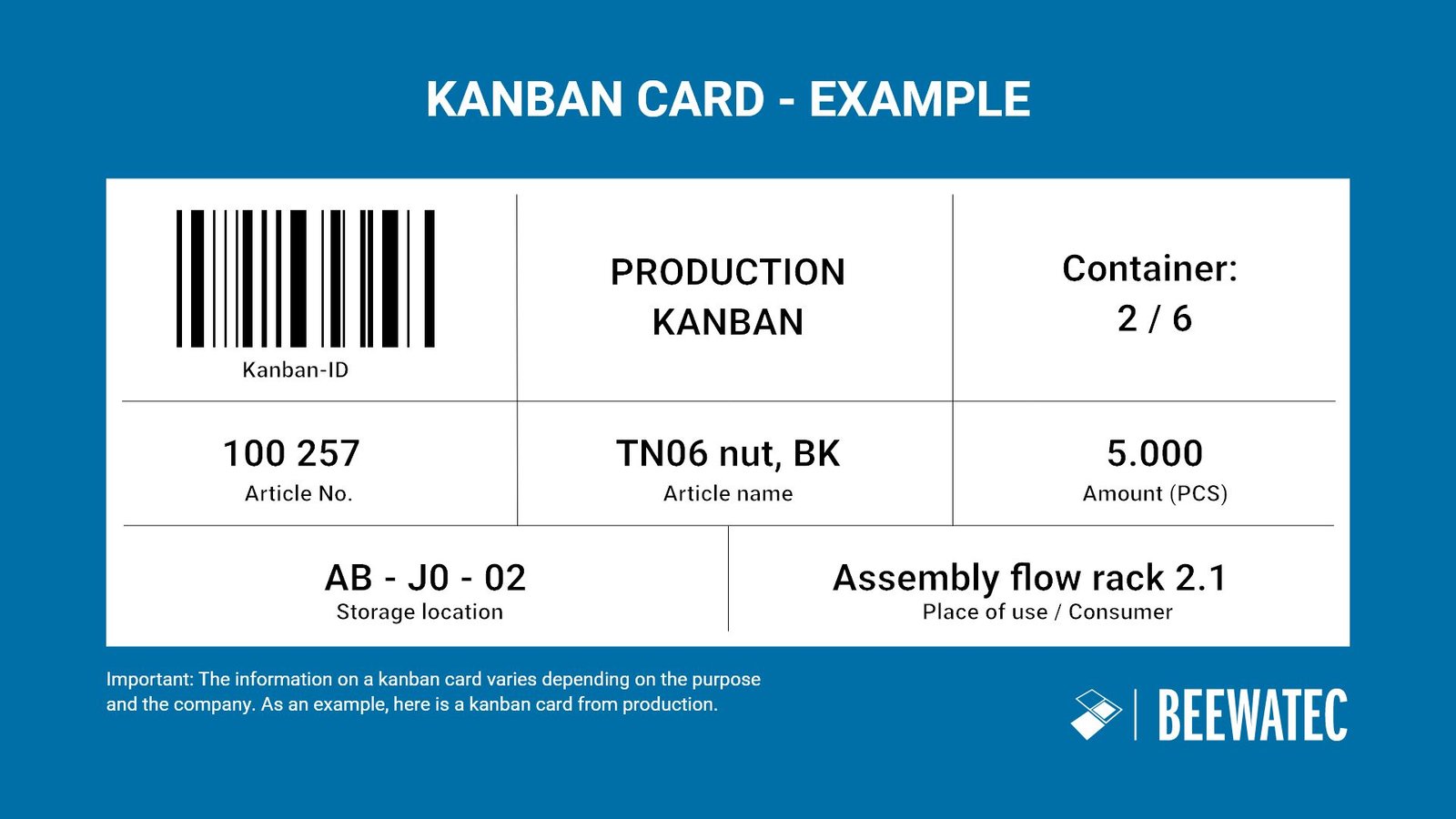
- To Do (Backlog): All tasks waiting to be started. This is the starting point of your workflow.
- In Progress: Tasks currently being worked on.
- Review: Tasks that require review and approval before moving to the next stage.
- Blocked: Tasks that are currently unable to progress due to an external dependency or issue.
- Done: Completed tasks.
It's crucial to establish a consistent and repeatable process for moving between these stages. Documenting these stages and their associated rules is vital for maintaining a streamlined workflow. Consider using a visual representation of these stages – perhaps a simple flowchart – to aid understanding.
Section 2: Creating a Detailed Card Template
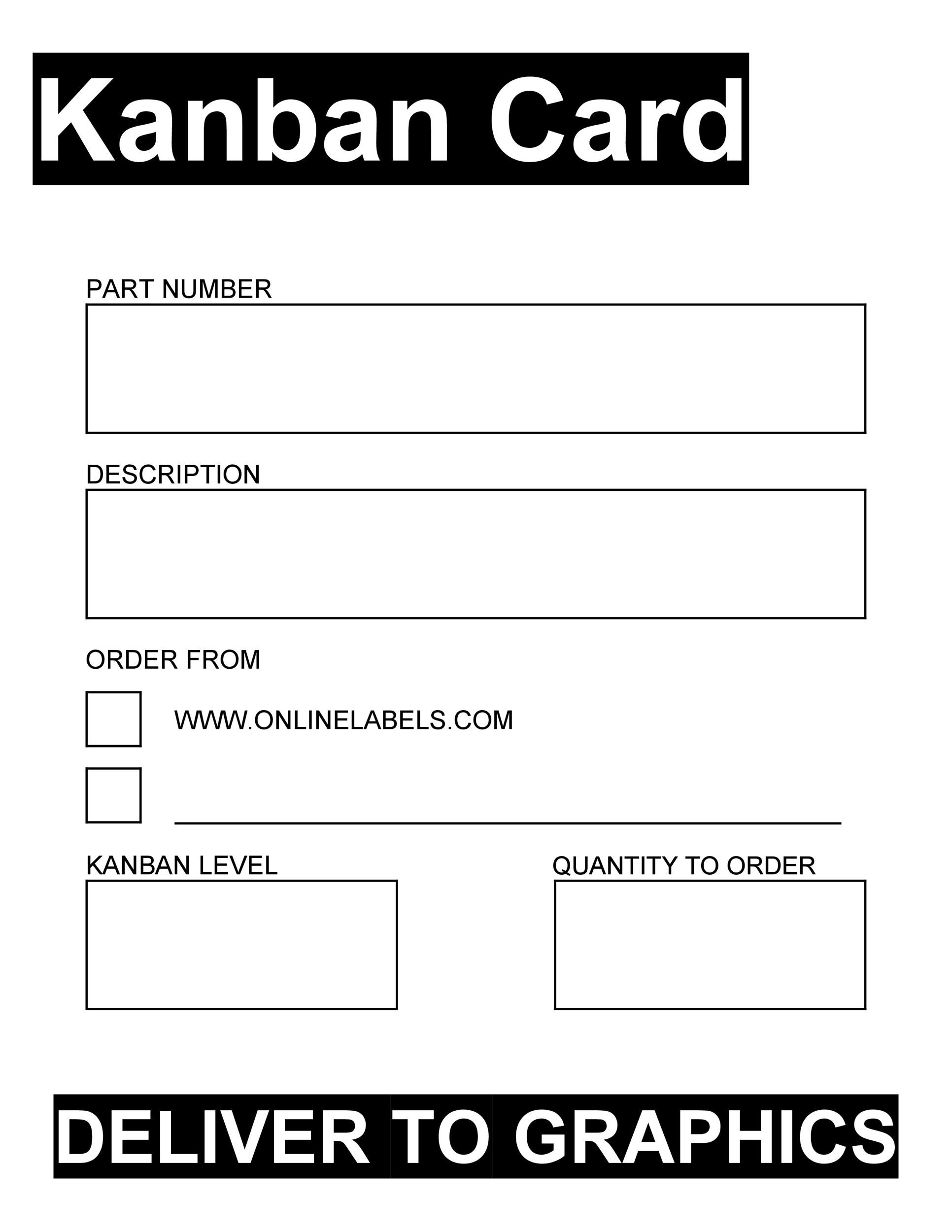
Let's look at a more detailed breakdown of each element within a Kanban Card Template. Each card should be easily understandable and actionable.
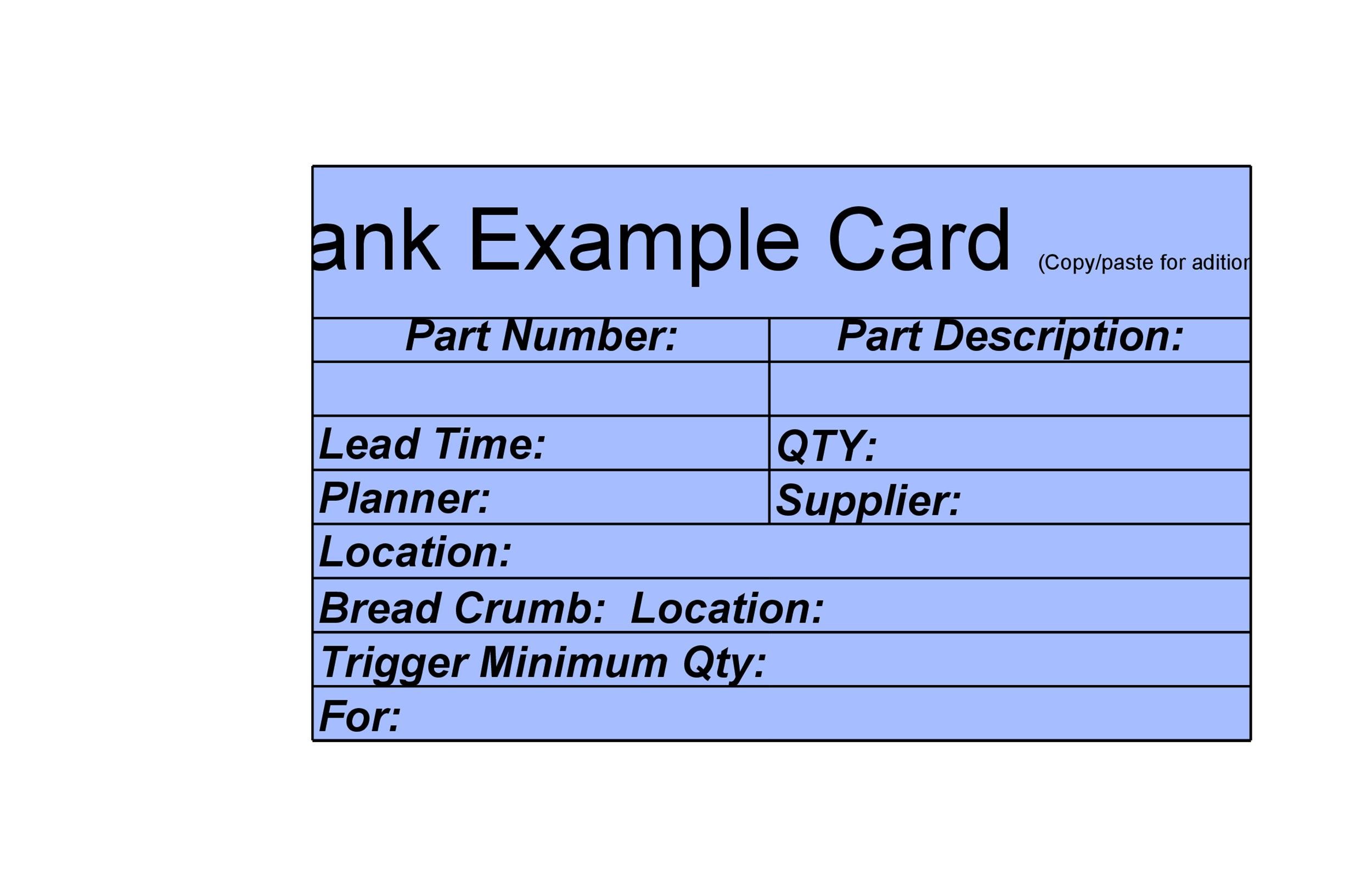
2.1. Card Title: The Foundation of Clarity
The card title should immediately convey the essence of the task. Avoid overly complex or ambiguous titles. For example, instead of "Update Document," use "Draft Marketing Report." A clear title ensures that everyone understands the task's purpose.
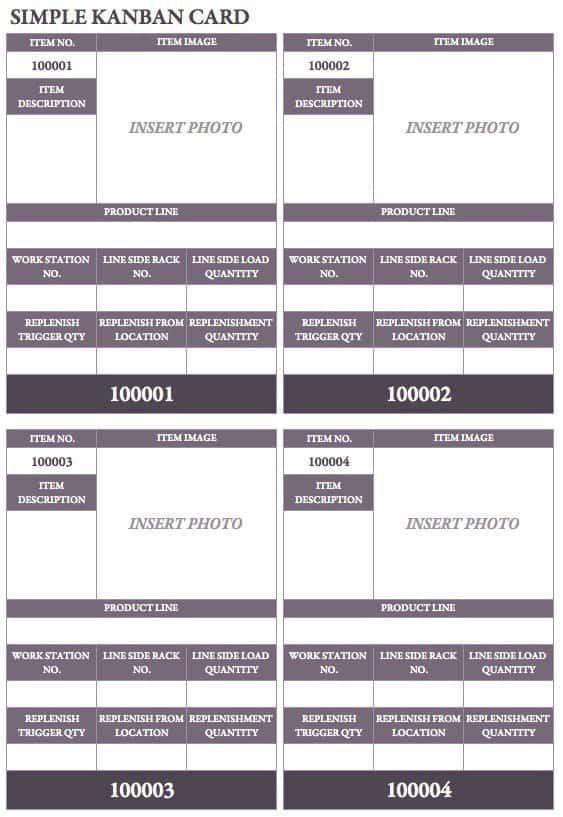
2.2. Description: Providing Context
The description section is your opportunity to provide more context. Explain why the task is important, what the expected outcome is, and any relevant background information. This helps team members understand the task's significance and facilitates collaboration.
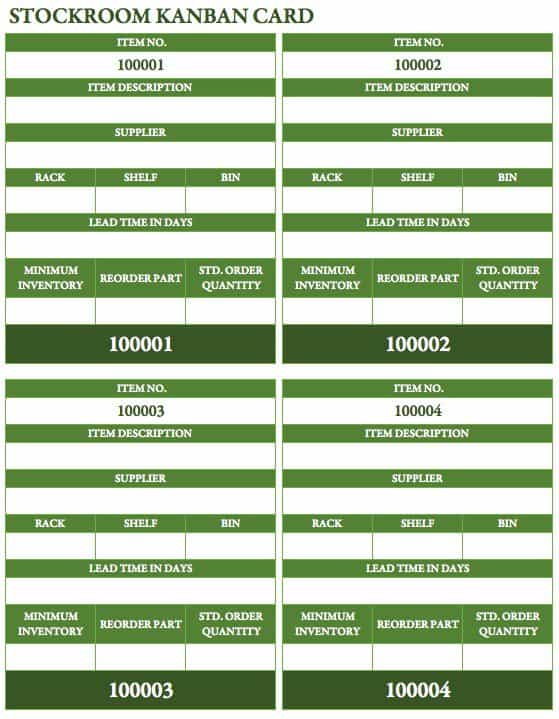
2.3. Assignee: Accountability
Clearly identify the person responsible for completing the task. This ensures accountability and prevents tasks from falling through the cracks.
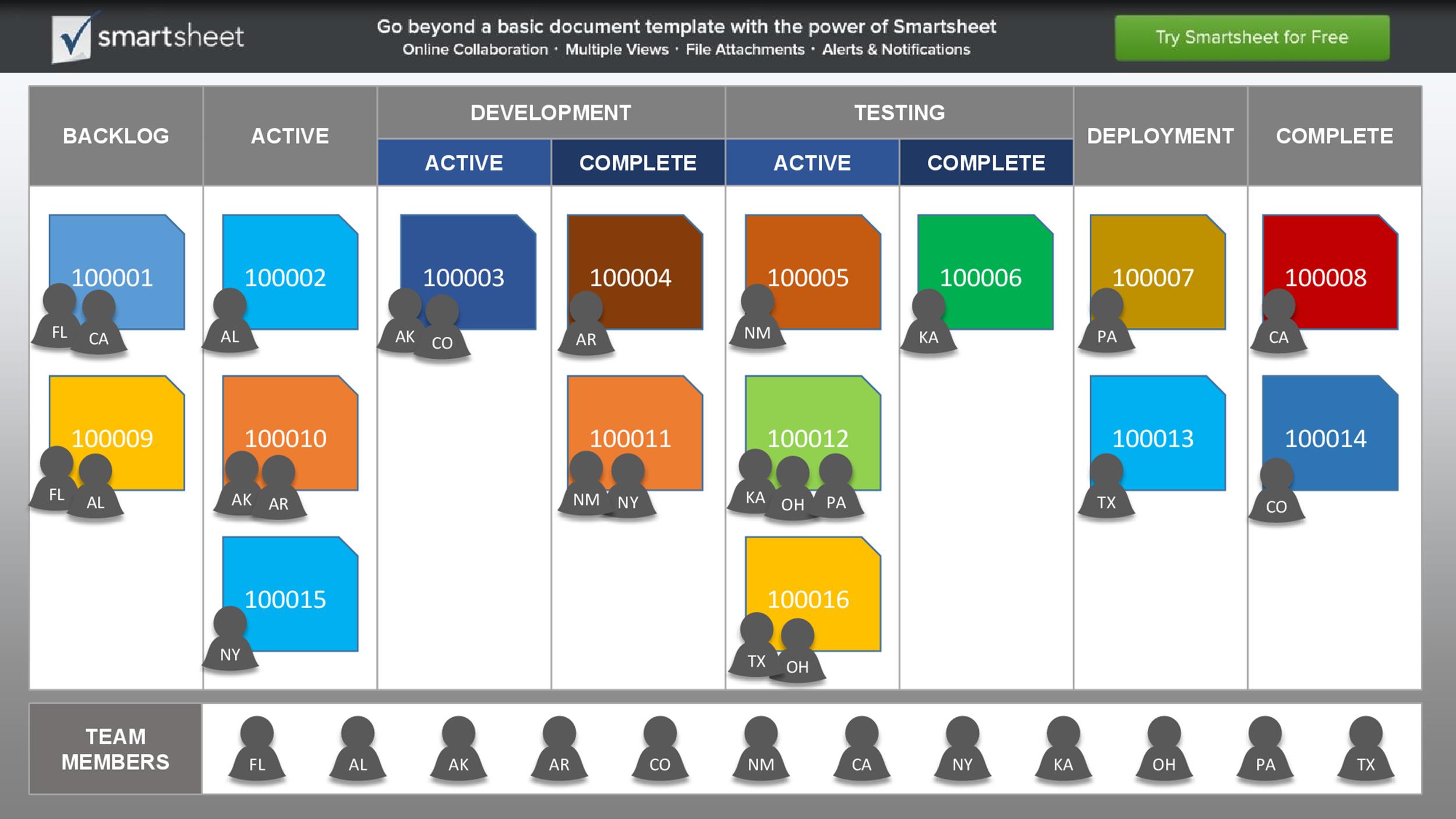
2.4. Due Date: Setting Expectations
The due date is a critical element for managing expectations and prioritizing work. Be realistic about timelines and factor in potential delays. Using a calendar or task management tool to track due dates is highly recommended.
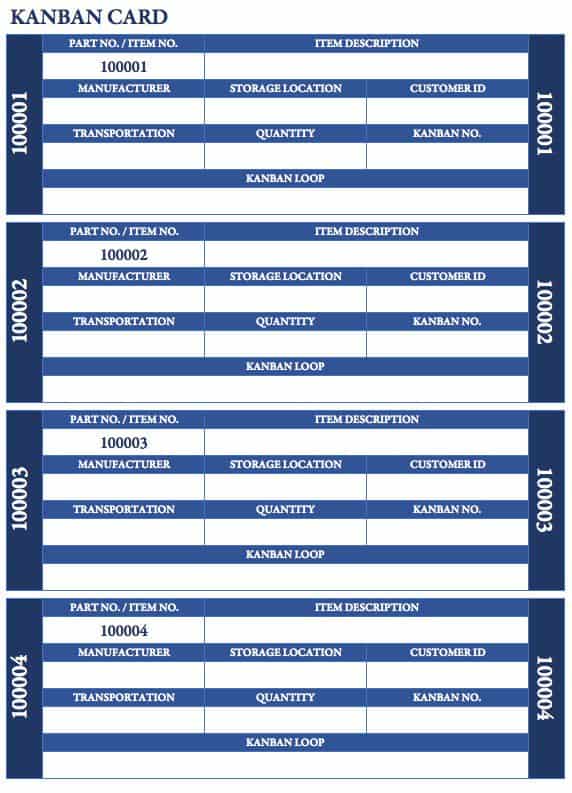
2.5. Status: The Visual Indicator
The status column is the most visible element of the card. Use a consistent set of colors or icons to represent the current state of the task. Common statuses include:

- To Do: The task is waiting to be started.
- In Progress: The task is currently being worked on.
- Review: The task requires review and approval.
- Blocked: The task is currently unable to progress.
- Done: The task has been completed.
2.6. Priority: Managing Effort
Assign a priority level to each task to help prioritize work. High priority tasks should be addressed first. This helps ensure that the most important tasks are completed promptly.
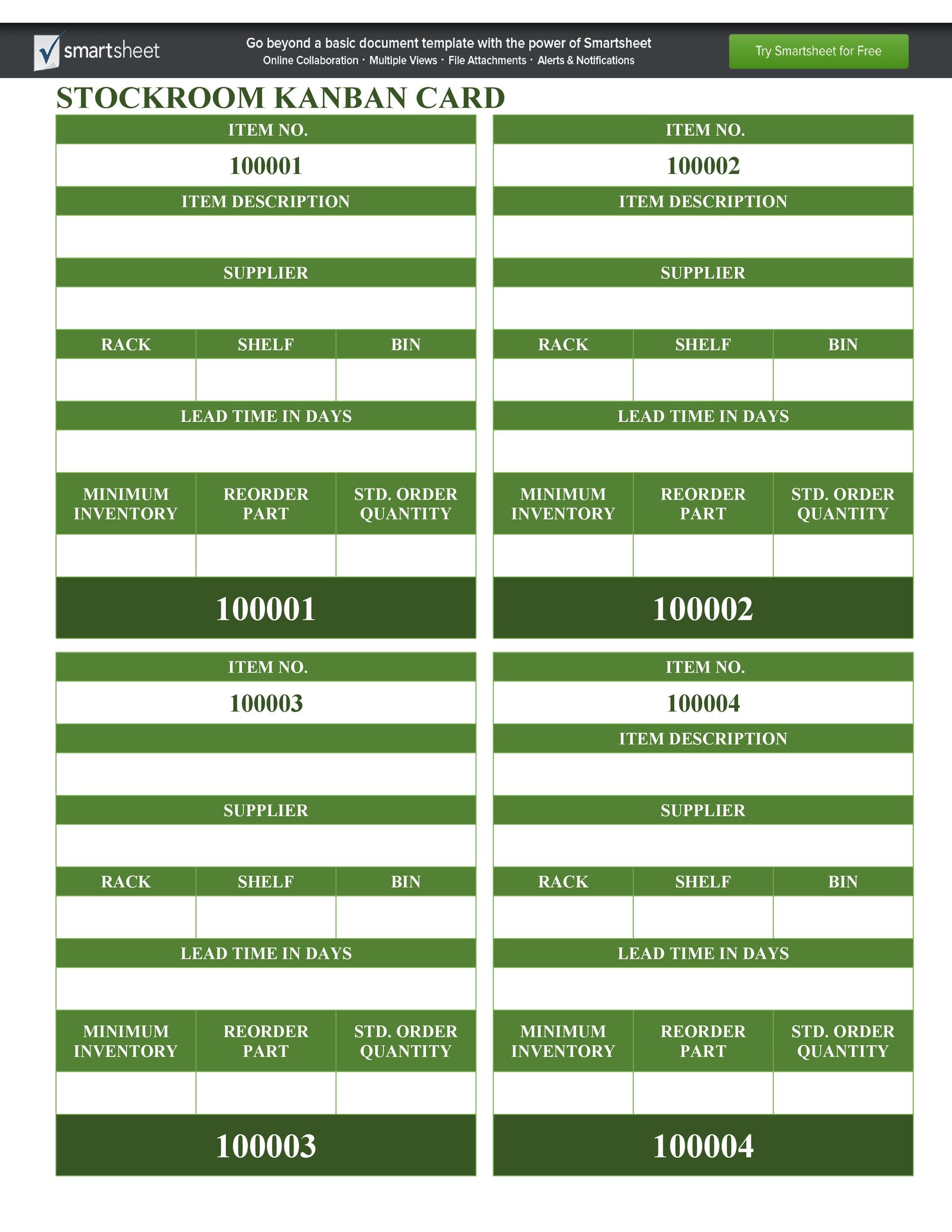
2.7. Attachments: Supporting Information
Include relevant attachments to provide additional context or information. This could include documents, links, or images.
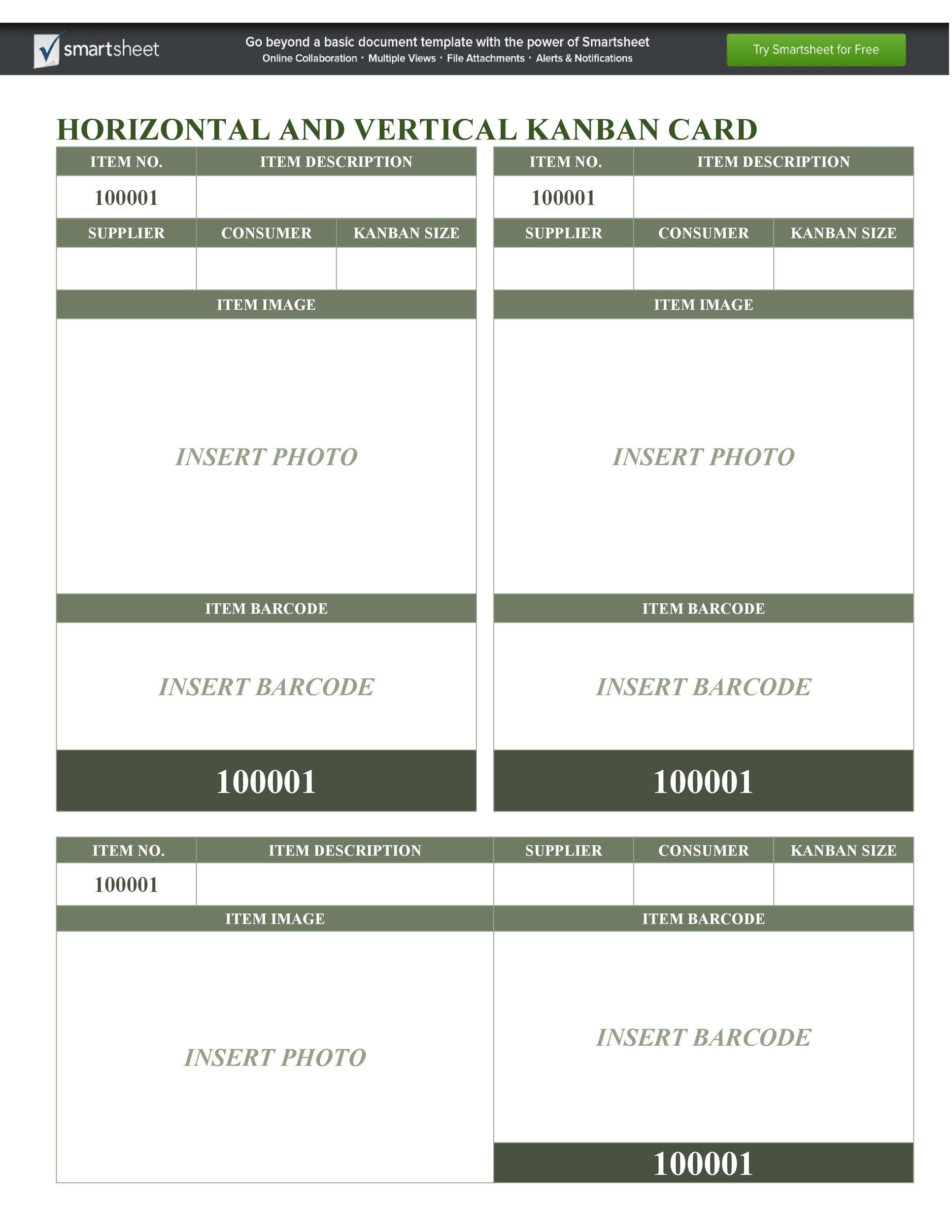
2.8. Notes: Detailed Communication
Use the notes section to add any additional information, context, or instructions. This is a valuable space for clarifying requirements or providing additional details.

Section 3: Advanced Kanban Card Template Features
Beyond the basic elements, you can enhance your Kanban Card Template with several advanced features:
- Swimlanes: Divide your workflow into horizontal lanes to represent different types of tasks or stages. This is particularly useful for complex projects with multiple dependencies.
- Columns: Add columns to your Kanban board to represent specific activities or processes.
- Custom Fields: Create custom fields to track additional data relevant to your workflow.
- Automation: Automate repetitive tasks using Kanban-specific tools or integrations.
Section 4: Best Practices for Using a Kanban Card Template
- Keep it Simple: Don't overcomplicate your template. Focus on the essential elements.
- Consistency is Key: Use the same template consistently across your team.
- Regularly Review and Refine: Periodically review your Kanban board and workflow to identify areas for improvement.
- Encourage Team Participation: Involve your team in the creation and maintenance of the template.
- Use a Tool: Consider using a dedicated Kanban board tool (e.g., Trello, Jira, Asana) to manage your workflow.
Conclusion
The Kanban Card Template is a powerful tool for improving workflow efficiency and collaboration. By understanding the core principles, defining your workflow stages, and utilizing a well-structured template, you can significantly enhance your team's productivity and achieve your project goals. Remember that the template is a living document – it should be continuously reviewed and adapted to meet the evolving needs of your team and your projects. Investing time in creating and maintaining a robust Kanban Card Template is an investment in your team's success. Kanban Card Template is a cornerstone of effective project management, and its strategic implementation can yield substantial benefits.
0 Response to "Kanban Card Template"
Posting Komentar