
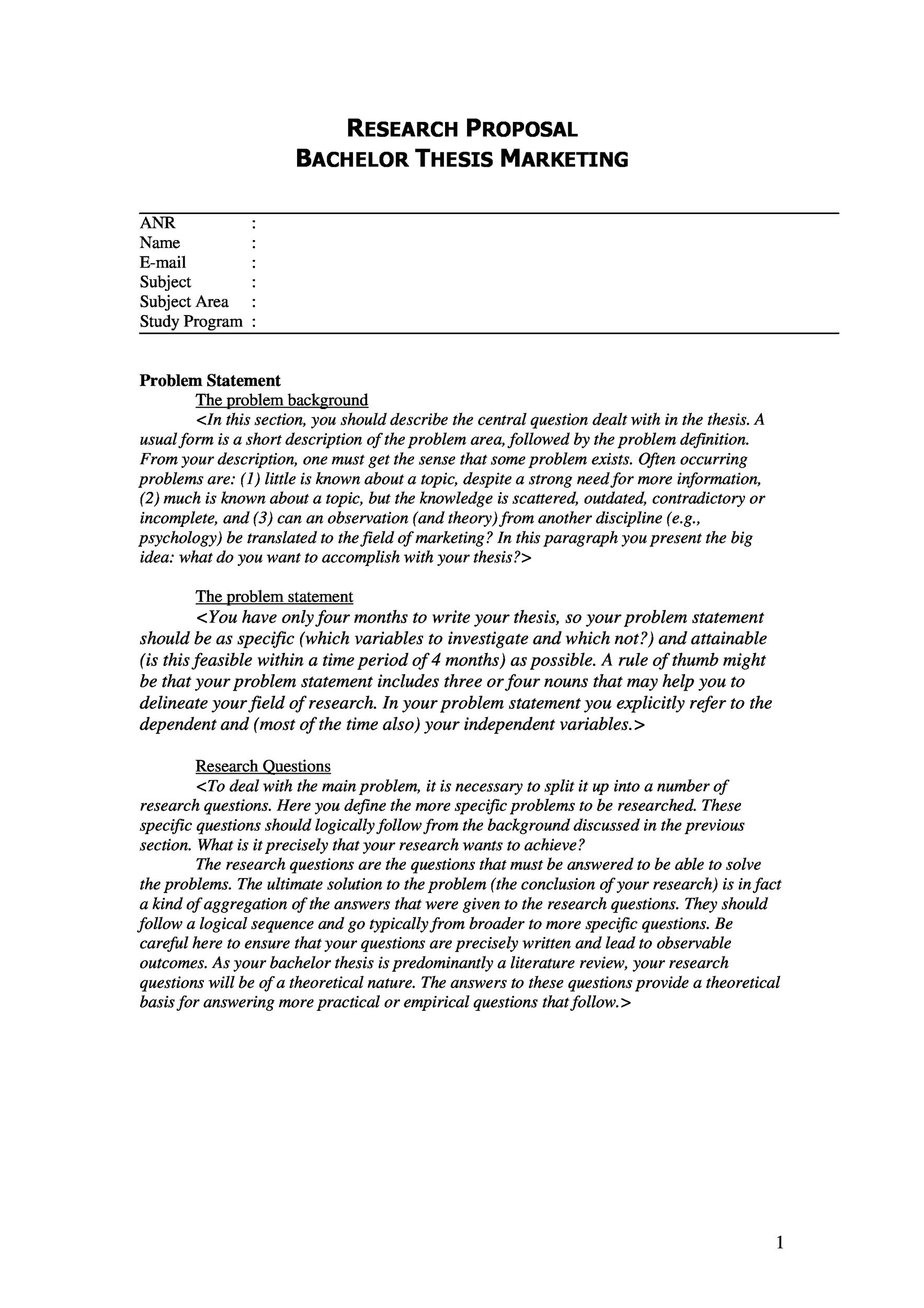
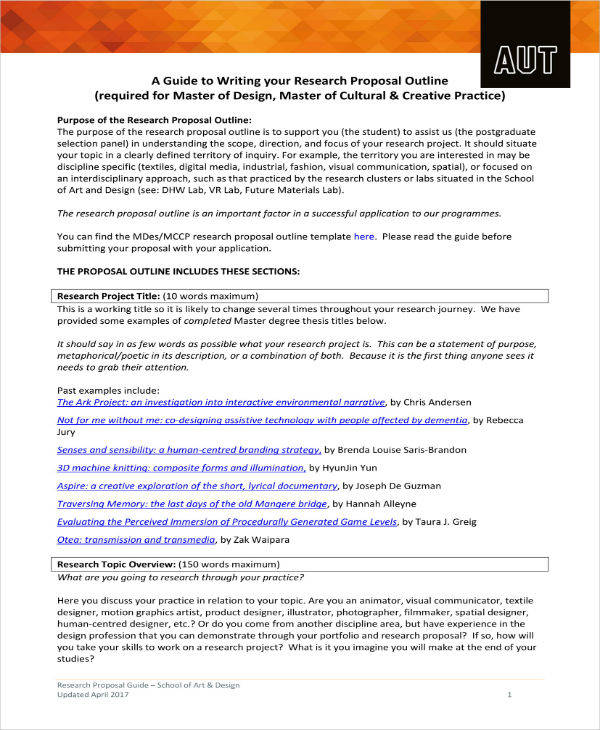
The process of crafting a compelling research proposal is often the most challenging part of any academic or professional endeavor. A well-structured proposal is crucial for securing funding, gaining approval, and ultimately, achieving the desired research outcomes. This article will provide a comprehensive guide to creating an effective research proposal outline template, covering essential sections and best practices. Understanding the structure and content of a robust proposal is a vital skill for researchers and project managers alike. The core of a successful proposal lies in its clarity, logical flow, and ability to clearly articulate the research question, methodology, and expected impact. This template offers a framework for building a proposal that effectively communicates your research vision. Let's delve into the key components and how to utilize this template to create a proposal that stands out.
Understanding the Importance of a Research Proposal Outline
Before we dive into the specific sections, it's important to understand why a detailed outline is so critical. A poorly constructed proposal can lead to delays, rejections, and ultimately, a failed research project. A strong outline ensures that every aspect of your research is considered and addressed systematically. It acts as a roadmap, guiding you through the entire process and preventing you from getting lost in the details. It demonstrates to reviewers that you've thought through the entire project and have a clear plan for execution. Furthermore, a well-organized outline facilitates collaboration and allows for easier feedback and revisions.
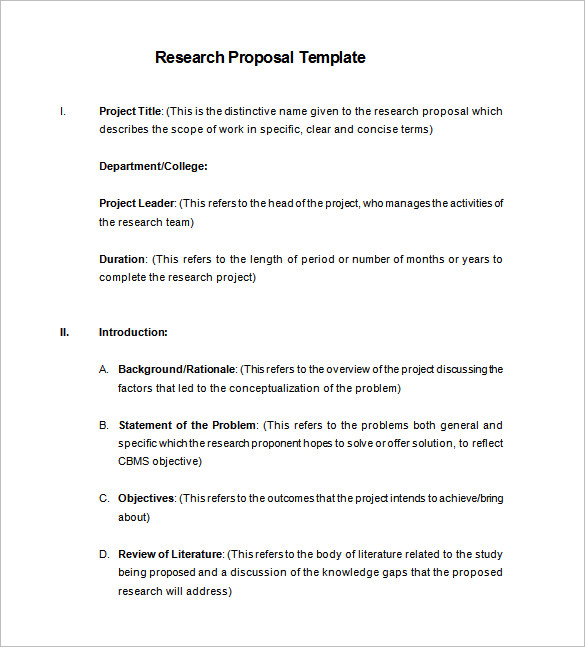
Section 1: Introduction – Setting the Stage
The introduction is the first impression you make on your audience. It needs to immediately capture their interest and clearly state the purpose of your research. A compelling introduction should typically include:
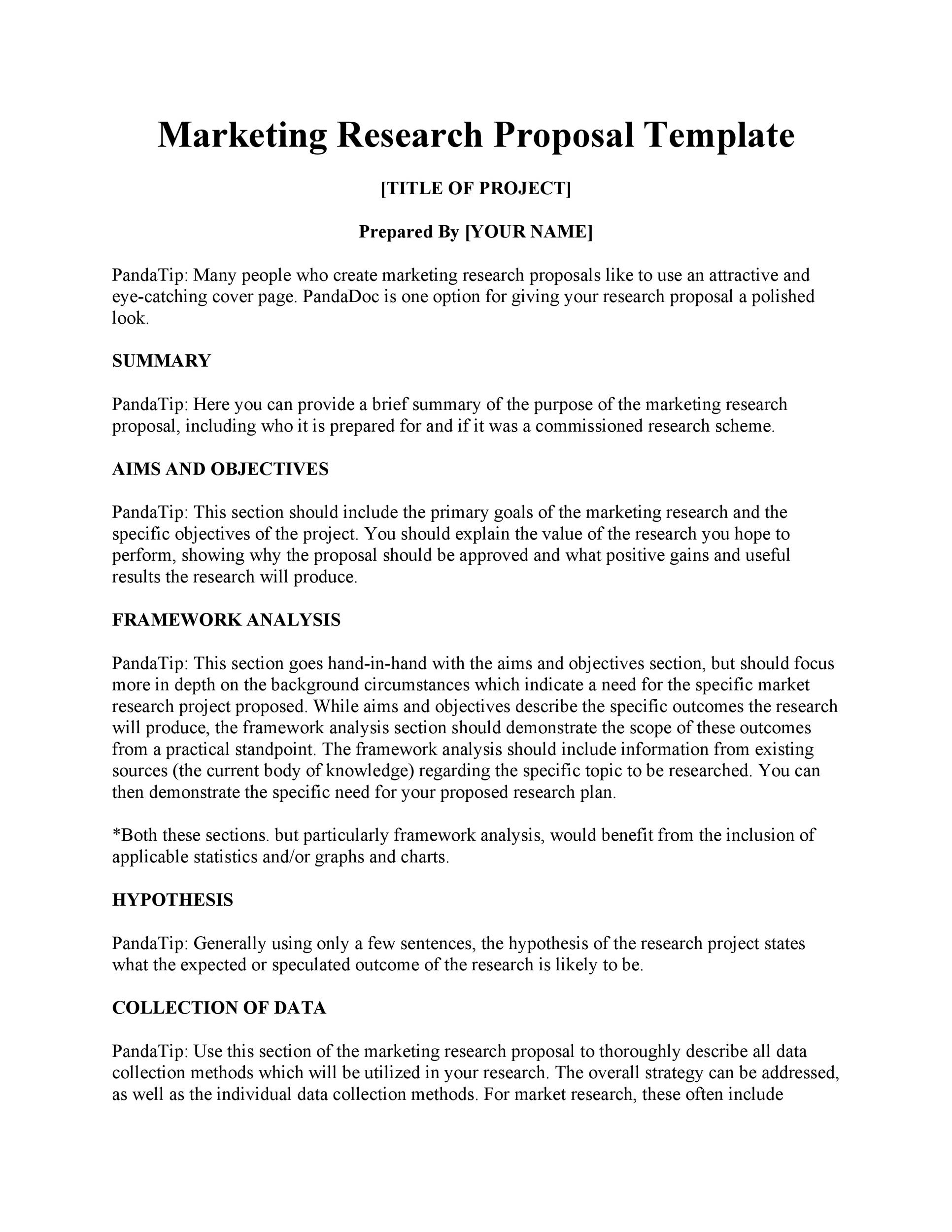
- Contextual Background: Briefly introduce the broader field of study and highlight the significance of the research topic. This is where the keyword "Research Proposal Outline Template" naturally appears. For example, you could start with a statement like: "The increasing prevalence of [relevant issue] necessitates a deeper understanding of [specific area]…"
- Problem Statement: Clearly articulate the problem or gap in knowledge that your research will address. This is a critical element. The introduction should explicitly state the challenge you are tackling.
- Research Question(s) / Hypothesis: State the specific question(s) your research aims to answer or the hypothesis you will test. These should be clearly defined and measurable. The keyword "Research Proposal Outline Template" is directly relevant here as it's used to structure the questions.
- Significance of the Research: Briefly explain why this research is important and what potential benefits it could bring. This demonstrates the value of your work.
Section 2: Literature Review – Building a Foundation
The literature review is a crucial component of any research proposal. It demonstrates your understanding of existing research and positions your study within the broader scholarly conversation. It's not simply a summary of previous work; it's a critical analysis and synthesis of relevant literature. Key elements include:
- Overview of Relevant Theories and Concepts: Introduce key theories and concepts related to your research area.
- Critical Analysis of Existing Research: Evaluate the strengths and weaknesses of previous studies. Identify gaps in the literature that your research will address.
- Synthesis of Findings: Summarize the key findings from the literature and demonstrate how your research builds upon or challenges existing knowledge. This section is particularly relevant to the keyword "Research Proposal Outline Template" as it guides the structure of the analysis.
- Justification for Your Research: Clearly explain how your research fits into the existing body of knowledge and why it's necessary.
Section 3: Methodology – How You Will Conduct Your Research
This section details how you will conduct your research. It's essential to provide a clear and detailed description of your research design, data collection methods, and data analysis techniques. Consider including:
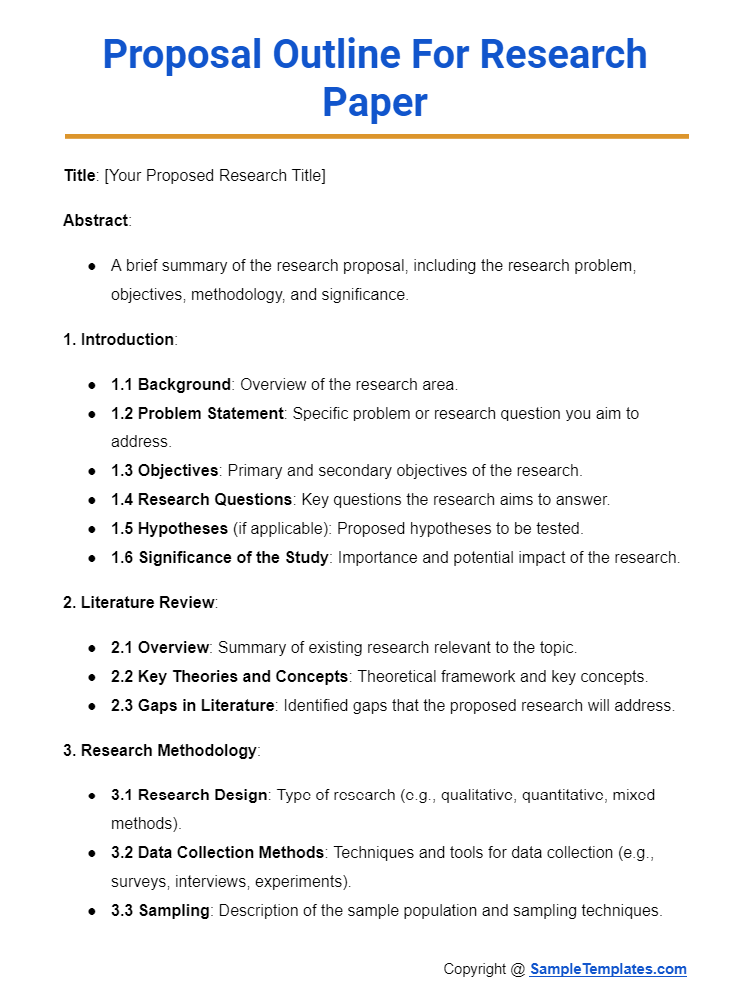
- Research Design: Describe the overall approach you will take (e.g., experimental, qualitative, quantitative, mixed methods).
- Participants/Subjects: If applicable, describe the characteristics of your participants or subjects.
- Data Collection Methods: Explain how you will collect data (e.g., surveys, interviews, experiments, observations).
- Data Analysis Techniques: Outline the methods you will use to analyze your data (e.g., statistical analysis, thematic analysis). This section is vital for demonstrating the rigor of your methodology.
- Ethical Considerations: Address any ethical considerations related to your research, including informed consent, privacy, and data security.
Section 4: Timeline – A Realistic Plan
A timeline is essential for demonstrating that you have a realistic plan for completing your research. It should include:
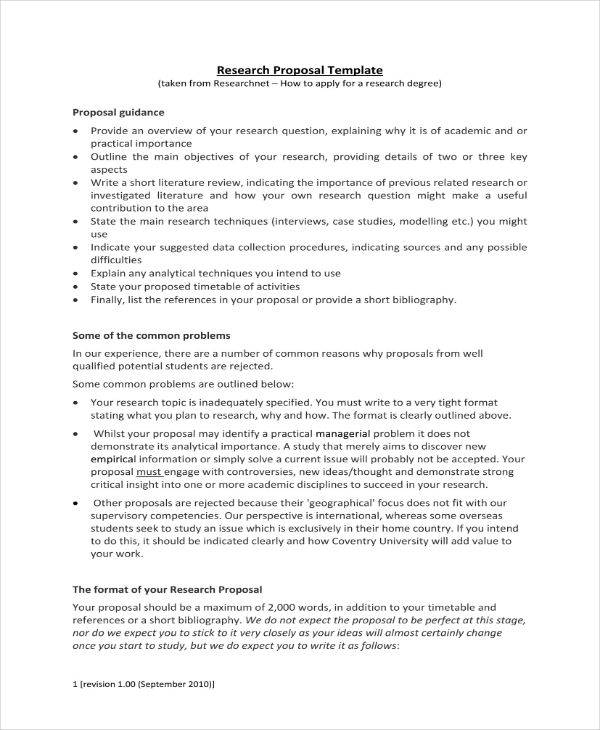
- Key Milestones: Identify key milestones throughout the research process (e.g., literature review completion, data collection, analysis, writing).
- Estimated Timeframes: Provide estimated timelines for each stage of the research.
- Dependencies: Clearly identify any dependencies between tasks.
Section 5: Budget (If Applicable) – Resources Required
If your research requires funding, a budget section is necessary. It should outline all anticipated expenses, including:
- Equipment Costs: Costs for equipment needed for data collection.
- Travel Costs: Expenses for travel to conduct research.
- Participant Compensation: If applicable, costs for compensating participants.
- Software Licenses: Costs for software required for data analysis.
Section 6: Expected Outcomes and Significance – The Impact
This section summarizes the anticipated outcomes of your research and its potential impact. It should clearly articulate how your findings will contribute to the field and what benefits they might bring. It's a crucial opportunity to demonstrate the value of your research. The keyword "Research Proposal Outline Template" is again relevant here as it guides the structuring of the expected outcomes.
Conclusion – Looking Ahead
The conclusion of your research proposal should provide a concise summary of your research question, methodology, and expected outcomes. It should reiterate the significance of your work and leave the reader with a clear understanding of the value of your research. It's a final opportunity to reinforce the core message of your proposal. The final paragraph should reiterate the importance of the research and its potential impact.
Appendix (Optional) – Supporting Materials
An appendix can include supplementary materials such as questionnaires, interview transcripts, or detailed data tables.

0 Response to "Research Proposal Outline Template"
Posting Komentar